
Category: On Writing…

Reflections on craft, creativity, and the quiet joys of a life spent writing.

  • Mastering the Art of Storytelling: A Guide for Aspiring Authors

    Captivating Beginnings: The Power of Storytelling

    Storytelling is much more than mere words on a page—it’s the art of capturing hearts and minds through compelling narratives. By weaving vivid imagery and relatable characters, a well-crafted story can transport readers to unfamiliar worlds, evoke deep emotions, and incite actionable responses. Whether you are experimenting with different narrative structures or enhancing your character development, understanding these nuances can transform your writing.

    In this guide, you’ll uncover essential storytelling techniques that not only spark creativity but also resonate with audiences locally and beyond. You’ll learn how to:

    • Identify engaging plot elements that hold your readers’ attention.
    • Develop multidimensional characters who drive your narrative forward.
    • Implement practical writing tips to overcome common hurdles in story creation.

    As you embark on this journey, consider how local influences and cultural nuances shape storytelling in regions like Newnan, GA and across the USA. Embracing these strategies will empower you to build immersive experiences that captivate and inspire, setting a strong foundation for your evolution as a craftsman in the art of storytelling.

    Crafting Characters that Captivate: A Step-by-Step Guide

    Developing memorable characters is essential for creating a story that truly resonates. Begin by laying a solid foundation, then build layers of depth and personality to make your characters come alive. Follow these actionable steps:

    1. Define a compelling backstory: Outline your character’s origins, significant past events, and the environment that shapes their worldview. Include subtle local elements to add authenticity.
    2. Set clear goals and conflicts: Determine what your character desperately wants and the obstacles they must overcome. This conflict fuels their evolution and engages the reader.
    3. Develop distinctive traits: Highlight unique physical features, quirks, and personality traits that set your character apart from the rest. Balance their strengths with believable vulnerabilities.
    4. Integrate dynamic relationships: Map out interactions with others, considering how these connections reveal hidden facets of their personality.
    5. Refine through iterative revision: Regularly review and adjust details to ensure consistency and growth, transforming your character into a figure readers can truly connect with.

    By following this structured approach, you can create layered and compelling characters that anchor your story in realism and emotion.

    Build Your Engaging Plot Structure

    A captivating plot lays the groundwork for a memorable story. Follow these clear steps to create a framework that grips readers from start to finish:

    1. Define Your Core Conflict
      Start by establishing the central struggle that challenges your characters. Consider how internal and external conflicts drive the narrative forward, and pinpoint what is at stake.
    2. Develop Compelling Characters
      Invest time in crafting characters with distinct personalities, motivations, and flaws. Let their journeys mirror the complexity of real-life decisions while also providing relatable emotional depth.
    3. Outline Key Plot Points
      Break your story into manageable segments: the setup, rising tension, climax, and resolution. Map out each turning point to ensure that your narrative maintains forward momentum and builds suspense.
    4. Integrate Subplots and Twists
      Enhance interest by weaving in subplots that complement the main storyline. Introduce well-timed twists to surprise your audience and add layers to the narrative.
    5. Review for Local Relevance
      Incorporate elements that resonate with your target environment, such as using regional settings like Newnan, to deepen local appeal.

    By following these steps, you build a structured, dynamic plot that keeps readers engaged and eager for more.

    Crafting Dialogue That Pops: A Step-by-Step Guide

    Dialogue can transform a story into an immersive experience. Follow these steps to create conversations that resonate and drive the narrative forward.

    1. Define Your Characters’ Voices – Before writing dialogue, sketch distinct personalities for each character. Consider their background, motivations, and the local flavor if your story is set in a vibrant community. This builds authenticity in every line they speak.
    2. Establish the Scene – Set a clear context for each conversation. Whether it’s a quiet town street or a bustling urban café, grounding dialogue in a specific locale can enhance believability. Use vivid descriptors to create a tangible atmosphere.
    3. Keep It Natural – Write dialogue that mirrors real speech while avoiding filler. Read your lines aloud to ensure the cadence feels authentic. Aim for brevity and impactful wording that subtly hints at subtext.
    4. Revise and Refine – After drafting, review each exchange. Look for opportunities to tighten the dialogue, add pauses or interruptions, and inject personality with unique idioms or expressions. Small tweaks can make a big difference.

    Follow these steps and watch your dialogue bring characters and settings to life.

    What are some common challenges in developing a compelling narrative?

    Many authors struggle with creating authentic and engaging story arcs. The key is to outline your narrative clearly and allow your characters to evolve naturally. Balancing plot structure with creative freedom can be challenging, but using planning techniques like mind mapping helps overcome this hurdle.

    How do I manage writer’s block effectively?

    Writer’s block is a frequent pitfall. Setting consistent writing schedules and breaking large projects into manageable tasks can unlock creativity. Consider brainstorming sessions or free-writing exercises to keep your ideas flowing.

    What should I do when feedback contradicts my vision?

    Handling diverse opinions can be frustrating. Evaluate constructive feedback critically, apply what resonates, and maintain your original narrative integrity. Trust in your creative process while being open to adjustments that enhance clarity.

    How can I refine my dialogue to feel authentic?

    Practice and revision are key. Read your dialogue aloud and engage in peer reviews to identify areas that feel forced. Incorporating realistic language and local vernacular, especially if writing for audiences in regions like Newnan, GA, can boost authenticity.

    How do I balance creative exploration with professional writing techniques?

    Use a structured approach alongside creative experimentation. Employ familiar strategies such as outlining and drafting revisions while leaving room for spontaneous ideas, merging practicality with creative flair.

    Final Steps to Elevate Your Storytelling Journey

    In wrapping up this guide, reflect on the critical narrative concepts that have been shared—from creating compelling character arcs to mastering detailed plotting techniques. You’ve learned how to harness your creative energy and lay a solid foundation for your stories, ensuring each chapter captivates readers and drives them through an emotional journey.

    Key action steps to keep in mind:

    • Refine your narrative outline with clear plot progressions.
    • Experiment with unique voices and authentic dialogue.
    • Allocate dedicated writing sessions to foster discipline and creativity.
    • Engage with local writing groups or workshops in areas like Newnan, GA for additional insights and inspiration.

    Remember, the art of storytelling is an evolving practice that blends passion with technique. Embrace feedback, celebrate your milestones, and be relentless in your quest to craft every narrative with purpose. Step forward with confidence—your tale is waiting to be told, and every written word moves you closer to mastering this creative craft.

  • The Art of Writing Captivating Stories

    Unleashing the Power of a Compelling Narrative

    Imagine a world where every sentence is a doorway to a new adventure. This section opens the journey into understanding what transforms a simple story into a captivating experience. From the subtle interplay of conflict and resolution to the emotional resonance that lingers long after the final word, storytelling is both an art and a science.

    In this guide, you’ll learn:

    1. How character development builds relatable figures that breathe life into the narrative.
    2. The role of intricate plot structures in engaging the minds and hearts of readers.
    3. Techniques to create immersive, vivid settings that capture the local flavor and universal appeal.

    Drawing inspiration from diverse urban centers and quaint communities alike, this primer offers actionable insights to help you overcome common storytelling challenges. Whether you’re refining your approach to narrative pacing or experimenting with rich, detailed descriptions, these strategies provide a roadmap to create stories that entertain, educate, and resonate. Embrace the magic of storytelling and unlock the secrets that make every narrative a memorable masterpiece.

    Mastering Story Elements: Unveiling the Power of Character, Plot, and Dialogue

    Every compelling narrative starts by creating a connection with readers through multidimensional characters. Your protagonist’s journey should be layered with personal history, unique challenges, and progressive growth that invites empathy and reflection. In building this connection, focus on tangible character traits and realistic dialogue, which breathe life into your story.

    Equally vital is a well-structured plot that offers a clear arc. Begin with an engaging inciting incident, transition through rising action marked by strategic twists, and culminate in a satisfying conclusion that resolves key conflicts. Your story’s structure not only holds the reader’s attention but also provides a roadmap for the thematic elements intertwined throughout the tale.

    Key strategies to elevate your story:

    • Cultivate rich character profiles that evolve naturally.
    • Plan a structured narrative arc with deliberate pacing and tension.
    • Develop authentic dialogue that mirrors real-life conversations.

    These techniques apply regardless of whether you’re writing for a local audience in Newnan, GA or a broader readership, ensuring your narrative remains relevant and deeply engaging.

    Crafting an Enchanting Setting

    1. Define the World: Begin by visualizing your story’s world. Sketch out details about the environment—whether it’s a bustling modern city or a deserted, mythical landscape. Immersing yourself in this creative process helps set a vivid stage for your narrative.
    2. Infuse Atmosphere Through Sensory Details: Engage the reader’s senses by describing sounds, scents, and textures that characterize your setting. Consider:
    • Ambient sounds that evoke mood
    • Distinct scents that hint at historical or cultural context
    • Visual cues like weather or architectural features
    • Anchor the Setting with Local Charm: For stories grounded in specific locations, incorporate local landmarks or cultural nuances. This not only enhances authenticity but also aids in geo-targeted search discovery for regional storytelling practices.
    • Seamlessly Integrate Environment with Plot: Ensure that your setting challenges or supports your characters in meaningful ways. Use nature’s unpredictable forces or urban landscapes as a metaphor for internal conflict, deepening both narrative and emotional impact.

    Tip: Experiment with contrasting settings to heighten tension and enrich narrative layers, making your storytelling both captivating and immersive.

    Polishing Your Prose to Shine

    Editing and revising are the secret ingredients that transform a raw manuscript into a captivating narrative. The process goes beyond merely spotting spelling mistakes; it’s about refining your voice, enhancing clarity, and ensuring every sentence resonates with your readers. Skilled editing involves cutting unnecessary details, reorganizing ideas, and even rethinking dialogue to improve flow. This meticulous approach not only enriches the reader’s experience but also builds credibility as a storyteller.

    For writers and local authors in places like Newnan, GA, a systematic revision routine can be a game changer. Consider implementing these strategies:

    • Step-by-step review: Begin with macro edits before diving into sentence-level tweaks.
    • Peer feedback: Invite fresh eyes to offer insights into narrative gaps.
    • Consistent style: Ensure tone and language remain uniform throughout.

    By investing time in thoughtful editing, you craft stories that don’t just engage—they enthrall. This approach not only refines your work but also positions you as a trustworthy and creative voice in an ever-competitive literary landscape.

    Frequently Asked Questions About Crafting Captivating Stories

    What are the best strategies for developing unique characters?
    Developing memorable characters often begins with detailed backstories and realistic motivations. Writers can use brainstorming sessions and character sketches to add depth and authenticity, making each personality resonate with readers on an emotional level.

    How can setting enhance a story?
    Leveraging your local environment, such as the charm of Newnan, GA, can imbue your narrative with a sense of place and realism. Describing familiar landmarks or atmospheres can transport readers into a vivid world where every setting feels tangible.

    What techniques help maintain narrative pacing?
    Balancing action, introspection, and dialogue ensures that your story flows smoothly. Creating outlines with designated peaks and pauses can help maintain pace while simultaneously building suspense.

    How do I incorporate conflict without overwhelming the reader?
    Introducing layered conflicts, both external and internal, provides tension and drives character evolution without detracting from the plot’s coherence.

    What role does dialogue play in captivating storytelling?
    Authentic and purposeful dialogue deepens character interactions and reveals underlying themes. Focus on clear, engaging exchanges that guide the reader through complex emotions and narrative twists.

    Wrapping Up: Unlock the Power of Storytelling

    As we conclude this ultimate guide on crafting captivating narratives, it’s clear that mastering the art of writing is a game-changer for any author. By blending creativity with practical techniques, authors can build rich characters, immersive settings, and plots that resonate with diverse audiences—including those in vibrant local communities like Newnan, GA. This guide has covered essential elements such as the importance of narrative structure, the value of authentic voice, and the actionable steps needed to refine one’s craft.

    Key takeaways include:

    1. Embracing your unique creative expression.
    2. Continuously developing and experimenting with character and plot details.
    3. Setting aside dedicated time for writing and engaging with local literary communities.

    Moving forward, consider joining workshops or local writers’ groups to refine your storytelling techniques further. Embrace each writing session as a chance to innovate and inspire. Every narrative holds the power to transform the reader’s experience—keep writing, keep evolving, and let your stories shine.

  • Mastering the Art of Storytelling: Tips for Aspiring Authors

    Captivating Beginnings: Why Storytelling Matters

    Every compelling narrative starts with a spark—a moment when the creative mind transforms simple ideas into immersive experiences. Storytelling is essential in writing because it connects abstract concepts to genuine human emotion, enabling readers to see themselves in every character and setting. This guide will walk you through the art of crafting narratives that not only entertain but also educate and inspire.

    Here, you’ll discover:

    • Techniques to develop a magnetic opening that draws readers in.
    • Ways to build relatable characters and vivid settings that enhance your story.
    • Methods for structuring and pacing your narrative to maintain engagement.

    Whether you are an aspiring author in bustling urban centers or creative hubs in quieter locales, the fundamentals of storytelling have universal appeal. Prepare to learn actionable tips and practical guidance that will help you overcome common writing challenges and improve your narrative craft. Embrace the journey of mastering storytelling, and unlock the secrets to creating works that resonate deeply with audiences.

    Unleashing Dynamic Characters: A Step-by-Step How-To

    Begin your creative journey by envisioning a character who evolves naturally throughout your narrative. Follow these steps to build a character that resonates with readers:

    1. Define Core Traits: Start with a clear personality outline. Identify essential characteristics, motivations, and challenges that drive your character. Tip: Use detailed adjectives to evoke emotion and relatability.
    2. Create a Rich Backstory: Develop a history that explains their current behavior and challenges. Write brief summaries of key life events that shaped them. Best Practice: Think of how personal experiences in locales like Newnan, GA, can add unique depth.
    3. Integrate Environmental Influences: Let the settings, community, and culture influence your character’s decisions. This grounding in local or realistic settings enhances authenticity.
    4. Showcase Through Action: Develop scenes where dialogue and actions reveal their inner conflicts and growth. Use meaningful interactions with supporting characters.
    5. Refine Continuously: Revisit each element as your story unfolds. Adjust and add layers over time to maintain consistency and evolution.

    By following these actionable steps, you can craft compelling, multi-dimensional characters that captivate and inspire your audience.

    Crafting Engaging Plotlines: A Step-by-Step Guide

    Dive into the process of creating a plot that captivates readers and keeps them turning pages. This guide walks you through the essentials of developing engaging plots, offering actionable tips to enhance your storytelling craft.

    1. Define Your Story’s Core Conflict
    • Identify the main challenge your protagonist faces.
    • Outline clear stakes to drive tension and urgency.
    • Develop Compelling Characters
    • Craft well-rounded characters with definitive goals and flaws.
    • Establish relationships and rivalries that add depth to the narrative.
    • Map Out Strategic Plot Points
    • Create a timeline of events that builds momentum.
    • Insert twists and turns that maintain reader interest.
    • Refine Your Narrative Structure
    • Ensure smooth transitions between scenes and chapters.
    • Adjust pacing to balance suspense with moments of reflection.

    Tip: Regularly revisit your outline and refine details. This step-by-step approach not only enhances clarity but also improves SEO and local search performance when targeting areas like Newnan, GA. Experiment with different techniques and find what best resonates with your audience for truly unforgettable storytelling.

    Transform Your Writing Style: A Step-by-Step Guide

    Discover practical steps to refine your voice and master the art of storytelling. Whether you’re writing a novel or a short piece, your unique style sets you apart in a crowded literary market. Follow these actionable steps to achieve clarity and creativity:

    1. Identify Your Core Voice
      Reflect on your personal experiences and values. Write a free-flowing piece that captures your authentic tone.
      Tip: Record your thoughts in a journal for clarity.
    2. Experiment with Structure
      Test different narrative techniques and sentence rhythms. Experiment by rearranging paragraphs or trying diverse dialogue formats.
      Best Practice: Break your writing into segments to gauge the impact of shifts in tone.
    3. Revise and Edit Thoughtfully
      Focus on eliminating redundant phrases and sharpening your language.
      Tip: Read your work aloud to catch awkward phrasing.
    4. Seek Local Inspiration
      Immerse yourself in your community’s culture and language nuances. Embrace local expressions to ground your narrative in a recognizable setting.

    By following this step-by-step approach, you’ll gain confidence in cultivating a memorable writing style that resonates with readers across cities and communities.

    What are the essential elements of engaging storytelling?

    Great storytelling begins with compelling characters, a strong narrative arc, and a setting that resonates with readers. Building tension through clear conflict and resolution is key to keeping an audience invested.

    How can aspiring authors develop authentic characters?

    Focus on creating multidimensional characters with clear motivations and backgrounds. Use personal experiences and observation to infuse realism, making each character relatable and memorable to your readers.

    What strategies can help overcome writer’s block?

    Break your writing into manageable tasks, set daily word goals, and use free-writing exercises to stimulate creativity. Experiment with different narrative perspectives to regain momentum.

    How do you structure a compelling narrative arc?

    Plan your story with a clear beginning, middle, and end. Outline key plot points, ensuring a gradual build-up of conflict leading to a satisfying climax and resolution.

    How does local context enhance storytelling?

    Incorporating elements from your local environment, such as the charm of small towns or the vibrancy of Newnan, GA, can lend authenticity and cultural depth to your narrative.

    Why is dialogue important in a story?

    Effective dialogue reveals character traits and advances the plot. It helps readers connect with the characters by showcasing natural speech and conversational rhythm.

    Wrapping Up: Your Next Chapter Begins Now

    As you reach the end of this guide, remember that every great story starts with a single word. Reflect on the key takeaways—from understanding narrative structure and character development to embracing the challenges of weaving genuine emotion into your prose. This conclusion not only recaps the techniques shared throughout the article but also lays out clear next steps for you to become a more confident storyteller.

    Here are some actionable tips to keep you moving forward:

    • Set a daily writing routine: Even 15 minutes can help transform your ideas into engaging narratives.
    • Experiment with different styles: Practice varying your tone, pace, and technique to find what truly resonates with your audience.
    • Engage with local writing communities: Connect with fellow writers in areas like Newnan, GA, for support and fresh perspectives.
    • Review and revise: Consistently refine your work to enhance clarity and impact.

    Empower yourself with these practical strategies and start putting pen to paper today. Embrace the journey of storytelling and let your unique voice shine through every chapter you create.

  • Morning Routine in Leesville…

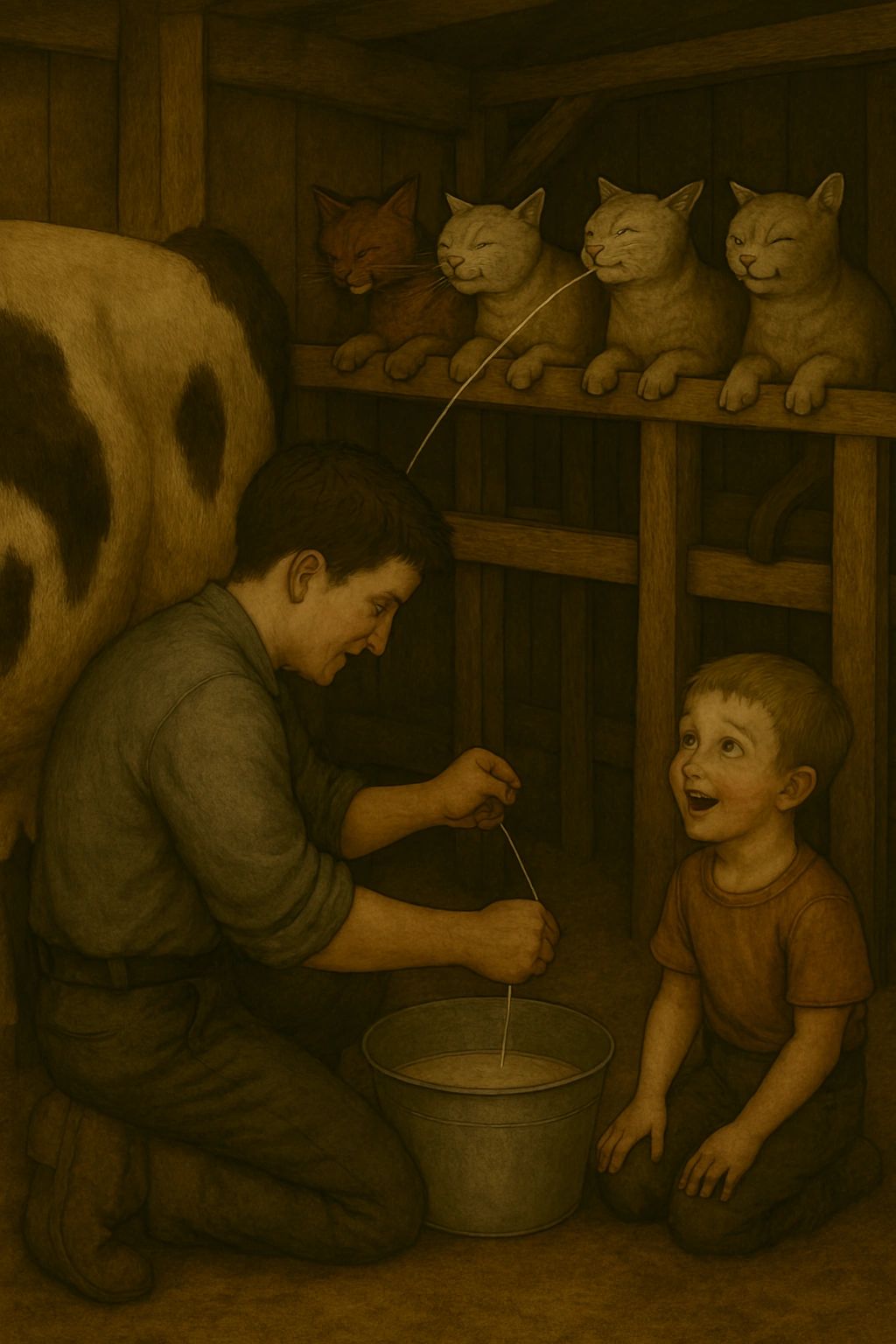
    I was five and it would be the last time during the school year that I would be able to spend a week with my grandparents. My Daddy’s younger brother, Uncle Dale, still lived at home with my grandparents.

    Every morning at my grandparents’ began exactly the same: with the rusty clock alarm in the den shrieking at 5:15, then two snooze buttons later, the long creak of Granddaddy’s knees as he swung his feet over the edge of the bed and called down the hallway, “Dale! Up! Milk’s a-waitin’!” and Uncle Dale—who was seventeen, a high school senior, and owned more traffic tickets than pairs of clean jeans—would groan loud as a dying steer before thumping out his door, backwards ballcap already mashed to his head.

    I’d been there three days and still couldn’t figure out if Dale was sleepwalking for these barn trips or just practicing for a future as a zombie. But every morning, just as the sun shook off the last gray, he’d gesture at me, wordless, and I’d hop off my fold-out cot and into my dirty overalls and run behind him, down the porch steps into the dew, the air cold enough to bite but already smelling faintly of manure and cow breath.

    Outside, the world was so empty it rang. Just fields, the barn, the shade trees that still dripped rain from the night, and the sad, one-eyed barn cat Granddaddy called “Possum,” even though “she” was a “he,” and had maybe never caught a mouse his whole life. Except the second Dale kicked open the barn’s side door, Possum perked up and limped after us, then came a half dozen more feral cats, all mangy and wild-eyed, as if the sound of stanchions clanking was dinner bell and church at once.

    The barn was old, but not in a storybook way—with its tin roof dented inward like a kicked can, and the paint gone so long you could see every plank and nail. Inside, the air was cleaner, warmer, full of dust motes and the living thud of the cows shifting in their stalls. They had names, all of them—Bessie and Boo and Agnes and Gertrude—but Dale called them all “girl” in the same tone he used with his steady, Cheryl, when they argued on the party-line phone.

    He heaved the bucket and stool into the nearest stall, patted the cow’s hip, and when he sat down, his body seemed to melt into a different shape, one that fit the barn and the cow and the coming morning. “You wanna try?” Dale said, jerking his chin.

    I shook my head. The cows were so big up close, and their breath steamed out in long snooty huffs. Instead, I watched as he kneaded the udder and winked at me, “She likes it, see? You gotta be gentle but mean it.” And then the strangest thing in the world: before the first arc of milk splattered into the pail, Dale pinched his fingers, aimed at the nearest cat, and squirted a perfect white stream right over my head.

    Possum leapt up, thin as a rope, paws against the stall board, and lapped the droplets out of the air, then yowled for more. The other cats caught on fast, climbing the rails, mewing, waiting their turn. Uncle Dale kept at it, every so often tilting the udder just so for a direct hit, like he’d spent a whole alternate childhood learning to bullseye cats with cow milk.

    Afterwards, the cats hung around, licking their chops and purring so loud the barn seemed to hum. The cows settled back into a slow rhythm of chewing, and Uncle Dale wiped his hands, chucked a handful of hay at my head, and we trudged back toward the kitchen, Possum and his crew already melting into the weeds.

    Grandmamma would have breakfast waiting on us when we got back. Breakfast was eggs and grits and bacon and biscuits and more eggs, and Granddady’s coffee, black as burnt wood, which I wasn’t allowed to drink but Uncle Dale poured into his cup and had with his grits anyway, as if the whole bucket of milk had been a warm-up act for coffee and grits.

    “You catch them cats eating from the spout again?” Granddaddy asked, half turning from the stove.

    Uncle Dale shrugged, smiled at me, and said, “Can’t stop ‘em. Little jerks are all over the place.”

    Granddaddy shook his head like he’d heard this story every morning since time began. “Supposed to keep cats outside.”

    “They ain’t hurting nothin’,” Uncle Dale said, pouring a third helping and sliding it my way.

    For three more mornings, the whole thing repeated: up before the sun, milk the cows, feed the cats, watch the world light up slow and gold, all of us standing inside the barn like weird saints with buckets and brooms. The last day, Uncle Dale let me shoot the milk for Possum. It took three messy tries, but the fourth time, the stream arced high and Possum nailed it, smacking his jaws together like he’d eaten a ghost. My hands shook from the squeeze, but Uncle Dale just laughed and said, “Good aim for a Yankees fan.”

    At the end of the week, I stood on the porch with my bag, listening to the barn cats fighting in the grass and the cows lowing for breakfast, and I tried to imagine what Monday would feel like without the part where you woke up in a house that smelled like hay, and went to sleep every night with the sound of fields brushing each other silent and slow. Next school year I would be too big for any of this and it sorta made me excited and sad all at the same time, as if an important part of my life would be over and would never come back.

    After my ride with my parents pulled away, I looked back once and thought I saw Possum watching from the barn roof, tail flicking, as if he was waiting for someone to bring him a little more milk.

  • Mastering the Art of Storytelling: A Comprehensive Guide

    Unleashing the Power of Storytelling

    Storytelling is more than just a creative outlet—it’s a pivotal skill that transforms literature, drives business innovation, and enriches personal expression. In today’s competitive landscape, mastering the art of narrative can help bridge cultural divides, inspire action, and foster an authentic connection with audiences. Whether you’re crafting a novel, developing a brand narrative, or simply seeking to express your personal journey, an effective story captivates and resonates.

    This section will guide you through the core elements of storytelling, highlighting its importance across various sectors and practical applications. Here’s what you will learn:

    • The role of narrative techniques in developing compelling content
    • How to use storytelling to enhance customer engagement
    • Practical tips for integrating local cultural and industry-specific elements into your stories

    As you delve into this guide, you’ll discover that stories are not only a cornerstone of literature but also a strategic tool for business success, particularly in regions like Newnan, GA. The following insights will equip you with actionable steps to harness storytelling as a means of connecting with diverse audiences and solving industry challenges. Enjoy your journey into crafting memorable narratives!

    Unveiling the Cornerstones of Engaging Narratives

    Delve into the essential elements that transform a simple tale into an unforgettable experience. At the heart of every compelling story lies well-developed characters whose journeys resonate deeply with readers. Effective character development means crafting protagonists with clear motivations, internal conflicts, and relatable traits that drive the narrative forward.

    Equally important is a meticulously structured plot that maintains a balance between rising tension and satisfying resolution. A dynamic plot structure engages audiences by gradually revealing conflicts and surprises, ensuring the narrative remains both unpredictable and gratifying. Whether set in bustling urban centers or quieter locales like Newnan, the principles of a robust narrative remain timeless.

    • Emotional resonance* is the magic that connects the audience to the storyline. Emotions evoke empathy, allowing readers to see reflections of their own lives within the tale. To enhance your storytelling:
    • Develop multidimensional characters with clear arcs.
    • Organize events logically while embedding unexpected twists.
    • Prioritize emotional beats that create lasting impact.

    Integrate these critical components to build stories that not only entertain but also inspire and connect with readers on a profound level.

    Begin Your Story Journey: A Step-by-Step Guide

    Start by clearing your mind and gathering ideas. Dedicate a moment to brainstorm and jot down every concept that comes to you. Recognize patterns or themes that resonate with your experiences and local surroundings.

    1. Brainstorming: Use mind maps or free-writing exercises to generate creative ideas. Write without judgment and let your thoughts flow.
    2. Outlining: Organize your ideas into a logical structure. Consider an introduction, rising action, climax, and resolution. Clearly define your characters and setting.
    3. Drafting: Begin your first draft by focusing on getting your narrative down. Don’t worry about perfection—focus on the creative process.
    4. Revising: Review the flow of your story. Rearrange segments to enhance the narrative structure and ensure each part logically progresses.
    5. Editing: Fine-tune your language, checking for grammar, tone, and clarity. Read aloud if necessary to catch awkward phrasing.
    6. Refining: Polish the final draft, making adjustments for a compelling and clear story.

    Each step builds on the previous insight, empowering you to transform raw ideas into an engaging, well-structured narrative.

    Conquering Creative Roadblocks: Strategies to Keep Your Narrative Flowing

    Writers often encounter hurdles like writer’s block and character inconsistencies that can hinder the creative process. Tackling these challenges begins with understanding the root causes and taking proactive steps to sustain momentum. When facing writer’s block, consider setting daily word count goals or creating a relaxed environment that encourages uninterrupted thoughts. Sometimes, stepping away for a short break or engaging in a brief exercise can reawaken your creative spark.

    Addressing character inconsistencies is just as critical. Develop detailed profiles for each character, including backstories and unique traits, to ensure they remain authentic throughout your narrative. In addition, consider the following tips:

    • Create a timeline to track character development.
    • Outline key plot points and transformational moments.
    • Regularly review and revise your work to maintain consistency.

    These techniques not only foster a structured writing routine but also support SEO and local search optimizations for regions like Newnan and beyond. Implementing these strategies can transform common obstacles into opportunities for growth in your storytelling journey.

    Frequently Asked Questions on Storytelling Techniques

    Q1: What are the essential elements of compelling storytelling?
    A successful narrative weaves together dynamic characters, a well-structured plot, authentic conflict, and a satisfying resolution. Emphasizing relatable themes and emotional depth is key to capturing the audience’s attention.

    Q2: How can storytelling techniques benefit my communication efforts?
    Incorporating storytelling into business communications can enhance clarity and resonance. It simplifies complex ideas and builds stronger connections with audiences, making it easier to engage local communities and optimize content for search engines.

    Q3: What processes should I follow to develop an engaging story?
    Begin with brainstorming ideas, create a detailed outline, draft your narrative, and then refine through careful editing. Each step helps ensure the story remains clear and impactful for your target audience.

    Q4: Which tools assist in crafting and refining narratives?
    Consider using digital writing apps, mind-mapping software, and editing programs. These tools aid in organizing thoughts, verifying style consistency, and ensuring narratives meet both creative and SEO standards.

    Q5: How can I incorporate local context into my storytelling?
    Highlighting local landmarks, regional culture, or community events adds authenticity and boosts local search relevance, making your content more relatable and engaging.

    Wrapping Up: Embrace Your Storytelling Journey

    Storytelling is more than just the art of conveying events—it’s a powerful tool for connecting ideas, driving empathy, and sparking creativity. As you wrap up this guide, take a moment to reflect on how structural techniques like narrative arcs, character development, and vivid imagery can breathe life into your stories. This approach can transform a simple tale into an engaging experience that resonates with your audience, whether you’re writing in a cozy studio in Newnan, GA, or anywhere else.

    Here are a few actionable steps to get started:

    • Review Key Elements: Revisit your narrative structure, ensuring your characters and plot have depth.
    • Practice Regularly: Dedicate time each day to write even short anecdotes.
    • Seek Feedback: Share your drafts with friends or fellow writers to refine your style.
    • Experiment Boldly: Don’t be afraid to mix genres or details that are uniquely local or personal.

    Remember, every line you write contributes to a larger narrative. Embrace the journey of experimenting with different techniques, transform challenges into creativity, and let your passion for storytelling shine through every word. Start today—your story is waiting to be told.

  • Mastering the Art of Storytelling: Tips for Aspiring Authors

    Igniting the Spark with the Power of Narratives

    Imagine a world where every word you write casts a lasting impression, transforming mundane sentences into vibrant experiences. Storytelling is more than just weaving words; it is an art form that connects us, transcends cultural boundaries, and drives our imagination to explore new horizons. In today’s content-driven atmosphere, the impact of a well-told story has been known to boost engagement by impressive margins, making it an invaluable skill for writers and storytellers alike.

    In this introduction, you’ll uncover the fundamentals of narrative construction and why harnessing this creative force is a game-changer, especially in cities like Newnan, GA, where local communities cherish authentic communication. Here, you’ll learn about:

    • Crafting compelling characters and settings
    • Building tension with narrative arcs
    • Balancing emotional depth with practical storytelling techniques

    Each aspect is designed to arm you with actionable tips and strategies to make your writing resonate with diverse audiences. Enjoy this journey into the heart of storytelling, and discover how your written words have the power to capture minds and inspire hearts.

    5 Key Elements to Crafting Captivating Narratives

    1. Engaging Plot
      A well-structured plot is the backbone of any compelling narrative. By mapping a clear beginning, middle, and end, you ensure your story unfolds in a way that grabs attention. Integrate twists, rising tension, and timely resolutions to keep readers motivated to turn every page.
    2. Authentic Characters
      Characters drive the emotional pulse of your story. Create multifaceted individuals with strengths, flaws, and evolving arcs that reflect real human experiences. Their growth and interactions should mirror the journey your readers want to embark on, adding depth and relatability to your narrative.
    3. Immersive Setting
      The setting transforms your story into a vivid experience. Whether your narrative unfolds in bustling urban centers or quaint locales reminiscent of Newnan, GA, a well-described backdrop enriches the tale. Use sensory details to evoke a sense of place that anchors your readers in your world.
    4. Compelling Conflict
      At the heart of every great story lies conflict. Introduce challenges that test your characters, spark dramatic tension, and propel the narrative forward. Conflict not only fuels the plot but also reinforces the stakes of each character’s journey.
    5. Thoughtful Themes
      Layer your narrative with underlying themes that resonate on a universal scale. By weaving meaningful messages throughout your story, you invite your audience to reflect on broader truths, enhancing the narrative with lasting impact.

    Crafting Your Compelling Narrative: A Step-by-Step Guide

    Developing a narrative that hooks readers starts with a clear roadmap. Begin by letting your creativity flow and establish a foundation that will guide your story’s progression. Follow these actionable steps to shape a narrative with depth and intrigue:

    1. Outline Your Concept and Theme
      Start by brainstorming your core idea. Identify your central conflict, themes, and the unique angle you wish to portray. Write down key plot points and ensure your concept resonates with contemporary readers, including those in local hubs like Newnan, GA.
    2. Develop Rich Characters
      Create detailed profiles for your characters. Reflect on their motivation, background, and how their relationships drive the narrative forward. Consider how their personal arcs intertwine with your theme.
    3. Structure Your Plot
      Organize your ideas into acts or sequential scenes. Establish a logical progression that builds tension and keeps readers engaged. Include hints of local flavor where applicable.
    4. Revise and Refine
      Revisit each step, refining dialogue and pacing. Ensure your narrative flows naturally and addresses common storytelling challenges.

    Embrace this systematic approach to elevate your storytelling craft and bring your narrative vision to life.

    Conquering Common Writing Hurdles

    Aspiring authors often face a range of challenges that can stall progress and dilute creative energy. One prevalent issue is overcoming writer’s block—a temporary inability to generate fresh ideas or articulate thoughts effectively. Recognizing and addressing these common pitfalls is key to mastering the art of storytelling.

    Some effective strategies include:

    • Structured Writing Routines: Establish a dedicated writing schedule, even if it means setting aside a small daily window to cultivate ideas.
    • Setting Manageable Goals: Break down large projects into smaller, achievable tasks to build momentum.
    • Embracing Feedback: View critiques as opportunities to refine your work rather than setbacks.
    • Engaging in Community: Connect with local writing groups in areas such as Newnan, GA, to exchange insights, maintain accountability, and foster inspiration.

    By adopting these practical methods, authors can navigate self-doubt and creative blocks more skillfully. Whether you’re refining your narrative style or grappling with plot development, these actionable tips help build resilience in your creative practice and ultimately lead to more compelling, well-structured stories.

    Frequently Asked Questions About Storytelling and Writing Techniques

    Q: What are the key elements of effective storytelling?
    A: Effective storytelling involves crafting compelling characters, a coherent plot, and emotional arcs that resonate with audiences. It also includes maintaining clarity in narrative structure and ensuring that themes are woven naturally throughout the story.

    Q: How can I improve the pacing in my narrative?
    A: Balancing dialogue with descriptive passages and alternating between moments of high tension and calm reflection are effective ways to manage pacing. Experiment with scene length and rhythm to keep readers engaged.

    Q: What strategies help overcome writer’s block?
    A: Establishing a regular writing routine, setting small, achievable goals, and using brainstorming techniques or free-writing exercises can help. Changing your environment, such as writing in local spots across Newnan, GA, may also spark creativity.

    Q: How do local storytelling traditions enhance writing techniques?
    A: Drawing from local culture and historical context can add depth and authenticity. This grounding in familiar settings helps create relatable narratives.

    Q: What role does dialogue play in engaging stories?
    A: Authentic dialogue breathes life into characters, making interactions feel real and dynamic. It serves as a tool for revealing personality and advancing the plot.

    Wrapping Up Your Narrative Journey

    As you close this chapter on storytelling mastery, it’s time to reflect on what you’ve learned and take the next step towards refining your craft. Throughout this guide, we’ve explored actionable strategies that empower you to create engaging narratives while overcoming common hurdles in the writing process. By incorporating techniques that blend creativity with structure, you can transform everyday stories into compelling works of art.

    Key takeaways include:

    • Embrace a structured approach: Organize your ideas with clear outlines and engaging hooks.
    • Experiment with diverse narrative techniques: Utilize dialogue, imagery, and pacing to captivate your audience.
    • Focus on local relevancy: If you’re writing for a regional market like Newnan, GA, integrate local details to deepen reader connection.
    • Pursue continuous improvement: Regularly revise your drafts and remain open to feedback.

    Take practical steps today by setting aside dedicated time for writing and seeking peer reviews. Remember, every story has the power to inspire and connect. With persistence and passion, your journey as a storyteller is bound to flourish. Keep writing, keep dreaming, and let your narrative voice shine.

  • Mastering the Art of Storytelling: A Guide for Aspiring Authors

    Ignite Your Narrative Passion

    Storytelling is more than just a way to share adventures – it’s the foundation of all great literature. In this introductory section, we explore how the art of storytelling can empower you as an aspiring author, opening doors to creative expression and personal growth. Imagine crafting characters and plots that resonate with readers not only locally—as in vibrant communities from Newnan, GA to bustling urban centers—but also on a global stage.

    Learn how to:

    • Develop compelling characters that breathe life into your narrative.
    • Structure your plot to maintain suspense and reader engagement.
    • Use vivid settings and relatable conflicts to draw readers into your story.

    This guide lays the groundwork by offering practical tips, actionable strategies, and a clear approach to honing your storytelling craft. Whether you’re looking to enhance your writing techniques or solve common narrative challenges, this section provides an accessible entry point into the world of creative writing. Embrace these insights and take the first step toward mastering the art of storytelling, transforming everyday ideas into captivating tales.

    Unraveling the Secrets of Captivating Narratives

    When crafting a memorable story, understanding key storytelling principles becomes essential. Strong character development lays the foundation by infusing each figure with depth, authenticity, and relatable struggles. Through vivid backstories and evolving personalities, characters come alive, inviting readers to embark on an emotional journey.

    Equally important is a well-structured plot that guides the narrative with a clear beginning, escalating tension, and satisfying resolution. A carefully designed plot structure ensures the seamless unfolding of events, keeping your audience intrigued and invested throughout. Consider incorporating elements such as rising action, climax, and denouement to build a roadmap for your narrative.

    Another crucial element is conflict resolution, a driver of dynamic change. Conflict, when introduced thoughtfully, challenges characters and propels the story forward. This tension creates room for growth, both for the characters and the overall narrative arc.

    • Emphasize genuine character evolution
    • Maintain a balanced plot rhythm
    • Effectively resolve conflicts to deliver impactful conclusions

    Whether you’re writing in a bustling creative community in Newnan, GA or elsewhere, these principles provide the roadmap to transforming words into unforgettable stories.

    Crafting Unforgettable Characters

    Develop characters that leap off the page by following these actionable steps. Begin by defining your character’s essence, considering who they are, what drives them, and the challenges they face.

    1. Clearly outline your character’s background. Detail their personal history, motivations, and hidden flaws to create a deep, believable persona.
    • Tip: Incorporate local elements like familiar settings from Newnan, GA when relevant, to ground their world in reality.
    • Establish realistic relationships. Map out how your character interacts with friends, foes, and mentors. These dynamics are essential to bring out authenticity and emotional depth.
    • Tip: Reflect on real-life interactions to infuse natural dialogue and conflict.
    • Test your character in challenging scenarios. Place them in situations that force growth, reveal inner turmoil, or showcase unexpected strengths.
    • Tip: Allow for change over time, mirroring the transformative journey in classic literature.
    • Revise and refine continuously. Review feedback and tweak details to ensure your character evolves in a consistent, engaging manner.

    By following these steps, you can create memorable characters that resonate with readers, making each narrative both compelling and immersive.

    Step-by-Step Plot Crafting Techniques

    To sustain reader interest and create a memorable narrative, start by mapping out your storyline with clear and engaging steps. Follow this practical guide to elevate your plot:

    1. Define Your Core Idea – Begin with a strong premise that resonates with your target audience, ensuring it has both emotional depth and intellectual appeal. Visualize the central conflict to build tension from the outset.
    2. Develop Layered Characters – Craft well-rounded protagonists and antagonists. List their motivations and challenges to create dynamic interactions. This approach not only drives action but also forms a personal connection with your readers.
    3. Structure Your Plot – Break down your story into distinct acts: introduction, rising action, climax, and resolution. Use numbered outline steps to keep your narrative organized. Plan key twists deliberately to surprise your audience.
    4. Engage Through Setting – Incorporate local nuances, for example, references to vibrant communities like those in Newnan, GA, to add authenticity.
    5. Revise for Clarity – Continuously review and refine your plot to eliminate redundancies and strengthen pacing.

    By following these actionable steps, you can craft engaging plots that keep readers captivated from beginning to end.

    Overcoming Storytelling Obstacles: Navigating Common Challenges

    Every crafted word carries immense impact, yet many writers encounter hurdles that can derail a compelling narrative. Authors often grapple with developing well-rounded characters, maintaining a balanced pace, and constructing plots that keep readers engaged from start to finish. These obstacles, while challenging, are opportunities for refinement and growth.

    To overcome these issues, consider the following strategies:

    • Deep Character Exploration: Invest time in understanding your characters’ motivations and histories to create relatable and evolving figures.
    • Robust Outlining: Develop a detailed timeline or outline to maintain structure and ensure that the plot progresses logically.
    • Pacing Adjustments: Regularly reassess your manuscript to fine-tune the intensity and timing of key scenes.
    • Iterative Revisions: Embrace feedback and multiple editing rounds to polish your narrative and resolve inconsistencies.

    For authors in regions like Newnan, GA, where vibrant literary communities offer rich support networks, connecting with peers can inspire innovative solutions. By breaking down storytelling challenges into actionable steps, you can unlock new levels of creativity and craft stories that resonate deeply with your audience.

    Your Storytelling Questions Answered

    How can I craft captivating characters?
    Focus on developing characters with clear motivations, strengths, and flaws. Use vivid descriptions and relatable details that bring them to life. Consider their background, desires, and internal conflicts to add depth.

    What narrative structures work best?
    Experiment with traditional three-act structures or nonlinear timelines to keep readers engaged. Using flashbacks or parallel plots can provide additional layers that enhance the overall narrative flow.

    How do I balance dialogue and exposition?
    Strike a balance by letting dialogue reveal character traits and move the plot forward while using exposition for context and background. Action beats and descriptive passages should complement conversations for a natural flow.

    What techniques boost reader engagement?
    Utilize immersive sensory details, strategic pacing, and cliffhangers. Incorporate engaging hooks at chapter beginnings and maintain rhythm through varied sentence structures.

    How can local settings enhance my stories?
    Incorporate regional details and cultural nuances to create authenticity. Describing familiar landmarks and local traditions can resonate with regional audiences while enriching the narrative environment.

    How do I manage pacing and tension?
    Alternate high-intensity scenes with quieter moments to create a rhythm that sustains suspense throughout your storytelling journey.

    Wrapping Up Your Storytelling Journey

    Drawing your narrative to a close doesn’t mean the end of your creative exploration—it’s simply the beginning of a deeper journey. Throughout this guide, we’ve emphasized fundamentals such as crafting multidimensional characters, structuring compelling plots, and fostering emotional connections with your readers. Key takeaways include understanding the importance of detailed planning, continuous revision, and seeking constructive feedback to refine your craft.

    As you transition from inspiration to implementation, consider these actionable steps:

    • Reflect on how each element of your story contributes to the whole narrative.
    • Experiment with different genres and narrative techniques to expand your horizons.
    • Seek out local writing groups or workshops, perhaps in areas like Newnan, GA, as community feedback can be invaluable.
    • Dedicate time regularly to writing and self-critique to nurture your skills.

    Remember, every story you craft adds to your unique voice and perspective. This is your moment to refine your storytelling art, embrace the iterative process, and inspire others. Keep writing, stay passionate, and let your narrative light the way forward.

  • Mastering the Art of Writing: A Guide for Aspiring Authors

    Igniting the Writer Within

    Embarking on your writing journey is more than just putting words on paper—it’s about unlocking a creative spirit that resonates with readers both locally and across the nation. This introduction sets the stage for mastering essential skills and cultivating the right mindset needed to transform simple ideas into compelling narratives. Whether you’re writing from the heart of Newnan, GA, or elsewhere, the power of clear, engaging storytelling remains universal.

    In this section, you will gain valuable insights into:

    • Establishing disciplined writing habits that trigger creativity
    • Overcoming writer’s block with strategic techniques
    • Enhancing your style through practical, actionable tips

    By fusing industry-relevant advice with a deep understanding of the creative process, this guide provides a structured pathway to elevate your writing craft. Expect to discover methods that address common challenges and offer step-by-step solutions for refining your narrative voice. Embrace this opportunity to transform your passion into well-honed expertise, laying a strong foundation for the journey ahead in the art of writing.

    Crafting Captivating Narratives: Master Key Writing Techniques

    Unlock the secrets behind crafting stories that resonate with your audience. This comprehensive section dives into the crucial writing techniques every author must hone to produce compelling narratives. Whether you’re refining your storytelling in Newnan, GA, or working from anywhere, understanding these methods lays the foundation for success.

    Begin by establishing a strong narrative structure. Outlining your story not only organizes your thoughts but also guides your audience seamlessly from one scene to the next. Master the art of character development and dialogue, allowing your characters to speak with authentic voices and unique personalities. Utilize a multi-dimensional approach by:

    • Defining Your Plot: Craft a clear beginning, middle, and unexpected twist.
    • Deepening Character Arcs: Develop characters with relatable conflicts and evolving journeys.
    • Enhancing Descriptive Imagery: Engage readers with vibrant settings and immersive details.
    • Balancing Pacing: Shift fluidly between moments of high tension and reflective pauses.

    Embrace these actionable strategies, and watch as your writing transforms into a dynamic narrative experience that captivates readers, both locally and beyond.

    Conquering Writing Obstacles: Strategies That Empower Your Creativity

    Navigating the writing process can feel like an uphill battle, but overcoming common hurdles paves the way for enduring success. Authors frequently encounter challenges such as writer’s block, self-doubt, and time management issues. Tackling these obstacles means embracing practical, actionable strategies that transform setbacks into stepping stones.

    One effective approach involves breaking tasks into smaller, manageable goals. Consider the following tips:

    • Establish a daily writing routine: Dedicate a set time each day, even if only for short bursts, to maintain momentum.
    • Embrace freewriting: Allow your thoughts to flow without judgment, helping to overcome mental blocks.
    • Seek constructive feedback: Connect with local writing groups in areas like Newnan or through community centers to refine your technique.
    • Master time management: Prioritize writing sessions by carving out distractions and creating a focused environment.

    Building a robust toolbox of methods not only boosts productivity but also nurtures self-confidence. By identifying and addressing personal challenges head-on, you can cultivate a resilient writing practice. Remember, every author’s journey is unique, and the willingness to experiment with and adapt these strategies can truly transform the creative process into an empowering, ongoing adventure.

    Chart Your Publishing Journey: A Step-by-Step Strategy

    Understanding the next steps after completing your manuscript is crucial to unlocking new opportunities in the publishing industry. Follow these actionable steps to navigate the competitive landscape effectively:

    1. Develop a Clear Publishing Plan: Begin by defining your goals. Decide whether traditional publishing or self-publishing suits your project best and outline a timeline with key milestones.
    • Tip: Create a budget for essential services like editing, cover design, and marketing.
    • Build Your Author Platform: Establish a professional online presence and engage with local literary communities.
    • Best Practice: Connect with regional events and networks in areas such as Newnan, GA to increase visibility.
    • Refine Your Manuscript: Utilize feedback from beta readers or professional editors to polish your work.
    • Tip: Focus on crafting a compelling narrative that stands out in the competitive market.
    • Master the Submission Process: Research submission guidelines and tailor your queries to highlight your unique storytelling style.
    • Best Practice: Remain persistent and adaptable, continuously seeking improvements based on industry best practices.

    By following these clear steps, aspiring writers can confidently navigate the publishing landscape and transform their creative visions into published works.

    Frequently Asked Questions on Launching Your Writing Career

    What initial steps should I take to become a professional author?
    Start by honing your writing skills with consistent practice and exploring various genres. Focus on building a portfolio of your work, attending local writing workshops, and connecting with established writers in your area to create a network of support.

    How do I overcome writer’s block and maintain creativity?
    Implement routines that stimulate creativity such as free-writing, setting daily word count goals, and seeking inspiration from literature in nearby communities. Experiment with writing prompts and challenge yourself with new narrative techniques.

    What role does editing play in professional writing?
    Editing is crucial. Revise your manuscripts multiple times to enhance clarity and flow. Working with trusted peers or professional editors can help refine your draft so it meets industry standards.

    How can I engage with local writing communities?
    Participate in local literary events, book fairs, and library reading sessions. This not only builds credibility but also provides constructive feedback and potential collaborative opportunities.

    How do I market my work effectively?
    Utilize social media, join local writing associations, and create a blog or newsletter to engage a broader audience. These steps enable you to develop a distinct author brand, build trust, and connect with readers from your region.

    Fuel Your Writing Journey

    As you close this guide, remember that every writer’s path is a unique adventure. We’ve explored practical strategies—from developing a robust outline to nurturing your creative voice—in ways that resonate with aspiring authors across regions like Newnan, GA. Reflect on the core concepts introduced and use them as the launchpad for your creative pursuits.

    Key takeaways include:
    • Prioritize crafting a clear, compelling narrative that engages your audience.
    • Continuously refine your work by seeking meaningful feedback and committing to revision.
    • Embrace the art of storytelling as a means to not only entertain but inspire others.
    • Set specific, measurable goals to build your writing practice steadily over time.

    Now is the perfect moment to act. Create a schedule that carves out dedicated writing time, join local writing workshops, and use these actionable steps to turn your passion into a polished craft. Remain patient, persistent, and passionate—each word you write builds a bridge to becoming the accomplished author you aspire to be. Your writing journey is just beginning; keep pushing forward!

  • How to Navigate the Publishing World as an Author

    Unveiling the Path Ahead in Publishing

    Stepping into the publishing world can feel both inspiring and daunting. As you begin this ultimate guide, you’ll discover that the landscape is filled with dynamic opportunities paired with distinct challenges. From emerging digital trends to enduring traditional practices, authors today must adapt to a rapidly evolving industry that rewards creativity and strategic insight.

    In this introduction, you will learn how to navigate:

    • The balance between artistic expression and market demands.
    • Tactics to build a strong author brand that resonates locally and beyond.
    • Methods to leverage new publishing technologies while preserving timeless storytelling values.

    This guide offers practical tips on managing industry hurdles—from understanding reader preferences to utilizing region-specific keywords for local market impact. Whether you are navigating the digital realm or traditional print, the insights presented here aim to equip you with actionable strategies that foster both growth and resilience in your writing career. Embrace this journey as an opportunity to refine your craft and uncover the keys to long-lasting success in the vibrant world of publishing.

    Step-by-Step Guide to Choosing Your Publishing Path

    Start by evaluating your long-term goals as an author. Identify what matters most: the extensive distribution channels of a traditional publisher or the creative control offered by self-publishing. Follow these actionable steps to clarify your decision:

    1. Define Your Objectives: List your priorities, whether it’s reaching a broad audience or maintaining creative freedom. Consider factors such as time-to-market and potential revenue streams.
    2. Research Both Models: Gather insights on traditional publishing processes, including contract negotiations and editorial support. Compare these with self-publishing requirements like marketing, formatting, and distribution channels available in local and online markets.
    3. Weigh Cost vs. Benefit: Understand that traditional routes may involve waiting periods and complex agreements, while self-publishing demands upfront investment and personal marketing efforts.
    4. Plan Your Manuscript’s Journey: Develop a timeline with actionable tasks for either route. Create a checklist that includes manuscript revision, cover design, and promotional strategies.
    5. Get Feedback: Consult with fellow authors or writing groups in your area to improve clarity on the chosen path.

    Following these steps will empower you to make an informed publishing decision tailored to your creative aspirations.

    Master Your Manuscript: Essential Editing Strategies

    Stepping into the revision process can be as invigorating as it is challenging, and refining your manuscript is key to a polished final product. A detailed editing routine not only sharpens your narrative but also ensures your story resonates with readers across local communities and beyond.

    Begin by reading your manuscript thoroughly, identifying areas that need tightening both in plot structure and character development. Consider these practical steps:

    • Initial Read-Through: Focus on the overall flow and pinpoint inconsistencies.
    • Structural Improvements: Rearrange scenes and enhance transitions to maintain reader engagement.
    • Detailed Line Edits: Fine-tune dialogue, expand descriptive passages, and eliminate unnecessary verbiage.
    • Feedback Integration: Engage with beta readers or writing groups to gather diverse perspectives.

    Remember, effective editing is an iterative process that transforms a rough draft into a compelling piece. Embrace each round of revisions as an opportunity to elevate your work. Whether you’re polishing your manuscript for a local audience or aiming for national recognition, a disciplined, structured approach to editing is your roadmap to success.

    Elevate Your Promotional Game: A Roadmap to Book Marketing Success

    Effective promotion is at the core of any successful book marketing strategy. As an author, understanding how to promote your work not only expands your readership but also enhances your professional credibility across local and global markets. The key is to adopt a multi-faceted approach that combines online engagement with traditional outreach methods.

    Begin by identifying your target demographic and tailoring your content to meet their interests. Consider these actionable steps:

    • Leverage Social Media: Use platforms to share snippets, behind-the-scenes content, and engage with readers.
    • Host Interactive Events: Organize virtual readings, Q&A sessions, or local book signings to connect with your audience directly.
    • Develop a Content Calendar: Regular blog posts and newsletters can keep your readers informed and excited about upcoming releases.
    • Local Community Engagement: Attend regional literary events, collaborate with local bookstores, and support community initiatives to boost your visibility.

    By integrating these strategies, you can build a strong promotional foundation, ensuring your books capture the attention they deserve. With persistence and creativity, you’ll navigate the complex publishing landscape and foster a loyal community of readers.

    What steps should I take to begin my publishing journey?

    Starting your path in publishing involves careful planning. Begin by honing your manuscript, understanding industry standards, and researching potential publishers. Draft a compelling query letter and prepare a synopsis that highlights your work’s unique strengths.

    How do I select the right publisher for my work?

    Evaluate publisher portfolios to match your genre and style. Look at their reputation, distribution networks, and success stories. Consider attending local book fairs or networking events to connect with publishing professionals nearby.

    What is the role of literary agents in the process?

    Literary agents can act as critical advocates, guiding you through contracts, negotiations, and market trends. Their expertise can help you position your work in an area-specific context, such as regional literary movements, that appeals to local readers.

    How can local authors leverage regional opportunities?

    Consider local readings, workshops, and signings. These events not only build your network but also improve your visibility among regional audiences.

    What marketing strategies help an author succeed?

    Focus on digital outreach and community engagement. Use social media, email newsletters, and targeted local promotions to reach your readership with practical, actionable content.

    Embracing Your Publishing Future

    In wrapping up your journey, it’s essential to recognize the resilience needed to succeed in the publishing world. The process from manuscript to market requires a deep understanding of editorial paths, design intricacies, and the marketing strategies that bring your stories to life. By grasping these pillars, you can navigate industry challenges with confidence and creativity.

    Key takeaways include:

    • Grasp the Process: Familiarize yourself with the various stages of publishing, from editing to distribution.
    • Stay Persistent: Overcoming hurdles is part of every writer’s journey—use setbacks as stepping stones.
    • Plan Strategically: Develop clear, actionable steps that guide you to your publishing goals.
    • Engage Locally: Utilize local resources and events to connect with your reader base and industry professionals.

    Next, review your current strategy and identify areas for improvement. Reflect on your prior successes and challenges, then set incremental goals that move you forward. Remember, every step you take is progress toward bringing your creative vision to a wider audience. Keep pushing forward with passion and determination—your story deserves to be heard.

  • Mastering the Art of Storytelling: A Guide for Aspiring Authors

    The Magic Behind Every Tale

    Storytelling is more than just a narrative—it’s an art that weaves emotion, culture, and experience together, captivating readers and sparking imagination. From bustling urban centers to quiet neighborhoods, the ancient practice of storytelling resonates deeply, showing readers that every narrative holds the power to transform perspectives and ignite change. In today’s fast-paced world, stories serve as an essential vehicle for preserving heritage and sharing innovative ideas, making them as relevant in local communities as they are in the global literary landscape.

    In this guide, you will uncover the fundamentals of crafting compelling narratives, including practical steps to enhance your writing style, structure engaging plots, and develop unforgettable characters. Key insights include:

    • Techniques for building immersive atmospheres
    • Strategies for connecting with diverse audiences
    • Tips for integrating cultural nuances into your work

    Prepare to explore how leveraging narrative techniques can unlock creativity and elevate your storytelling game. Whether you are writing down by hand or seeking digital inspiration in your local community, this journey will empower you to master the timeless art of storytelling.

    Essential Elements for Crafting Unforgettable Narratives

    Dive into the heart of storytelling by understanding the building blocks that resonate with readers. When you craft a compelling narrative, consider focusing on three pivotal elements: plot, character development, and setting. Each plays a critical role in engaging your audience and driving the story forward.

    A well-constructed plot serves as the backbone of your narrative. It provides structure and momentum, guiding readers through unexpected twists and emotional climaxes. Equally important is character development. In-depth exploration of a character’s desires, conflicts, and backstory transforms them into relatable figures who feel real. A rich setting also enhances your tale by grounding your characters in a vivid, immersive world. Whether your story unfolds in a bustling city, a quiet small town, or a remote countryside, setting adds layers of authenticity and intrigue.

    To create a story that not only entertains but also educates aspiring authors, consider these steps:

    • Outline key plot points with clear objectives
    • Develop multi-dimensional characters
    • Utilize setting as an active narrative element

    By implementing these techniques, you empower your storytelling craft, making every chapter a memorable journey.

    Crafting an Engaging Narrative: Your Step-by-Step Guide

    Begin your storytelling journey by embracing a structured approach to build your narrative. This guide will help you move from brainstorming to final edits with clear, actionable steps designed to inspire and teach.

    1. Brainstorming Ideas:
    • Outline your core concept using mind maps or bullet lists.
    • Jot down characters, settings, and conflicts that resonate locally if relevant.
    • Structuring Your Story:
    • Organize your ideas into a clear beginning, middle, and end.
    • Create chapter outlines or scene summaries to visualize the flow.
    • Developing Characters and Plot:
    • Write detailed profiles and backstories.
    • Use sequential steps to introduce plot twists and maintain tension.
    • Drafting the Narrative:
    • Write consistently, focusing on clear, descriptive language that captures attention.
    • Incorporate local flavor where possible for regional connection.
    • Refining Through Edits:
    • Revise your work step-by-step, improving transitions and clarity.
    • Seek feedback from peers or community writing groups for added insights.

    Utilize these actionable steps to craft a compelling narrative that captivates readers and sharpens your storytelling skills.

    Navigating Common Writing Challenges

    Every writer, regardless of experience, faces obstacles when crafting a story. It’s common to struggle with everything from initiating the narrative to fleshing out relatable characters. Tackling these issues doesn’t have to be overwhelming. Start by addressing the writer’s block with a simple yet effective routine: set aside dedicated time for brainstorming and free-writing. This practice can reset your creative flow, making it easier to dive back into your project.

    • Clarify Your Plot: Begin with a rough outline to organize your ideas. This structure serves as a roadmap, ensuring that each plot twist is purposeful and contributes to the larger narrative.
    • Develop Deep Characters: Invest time in creating character profiles. Consider their backstories, motivations, and quirks to bring authenticity and depth to your writing.
    • Embrace Local Inspiration: Whether you’re in a bustling metropolis or a quiet town, leverage your surroundings and community insights for realism and engagement.

    By integrating these strategies, you can overcome common storytelling challenges and refine your skills, turning hurdles into stepping stones for crafting compelling, memorable narratives.

    Frequently Asked Questions

    Q: How can I integrate storytelling techniques into my writing process?
    A: Integrating effective narrative techniques starts with understanding your audience’s expectations and structuring your story with a clear beginning, middle, and end. Experiment with character arcs and plot twists that resonate with real-life experiences. Focus on creating vivid imagery that transports your readers, whether you’re writing for an online audience in New York or a local community in any city.

    Q: What are some practical tips for refining my narrative style?
    A: Start by outlining your ideas, setting achievable writing milestones, and revising drafts for clarity. Use techniques like show-don’t-tell and active voice to give depth to your characters and scene descriptions. Consider:

    • Brainstorming sessions
    • Regular editing schedules
    • Feedback from fellow writers

    Q: How do I overcome writer’s block when developing complex storylines?
    A: Overcoming writer’s block can be managed by taking short breaks, outlining alternative scenarios, and writing freely without immediate judgment. This practice helps in refining ideas over time.

    Q: What role does local culture play in storytelling?
    A: Incorporating local culture can enhance authenticity. Whether you’re writing set in urban centers or small towns, using familiar settings and regional details creates a more immersive world.

    Q: How should I balance creative freedom with structured writing?
    A: Maintaining flexibility while following a structured outline allows your creativity to flourish without losing focus. Experiment with narrative pacing and iterative revisions for the best result.

    Final Reflections

    As we reach the conclusion of this guide, remember that every great narrative begins with a commitment to improving your craft. Throughout this journey, we explored proven techniques—from crafting dynamic characters to structuring intricate plots—that empower you to transform ordinary ideas into compelling stories. Mastering the art of storytelling isn’t just about writing; it’s about consistently refining your skills, seeking inspiration from your surroundings, and actively engaging with local writing communities to broaden your perspective.

    Key takeaways include:

    • Practice daily to hone your narrative voice
    • Experiment with different styles to discover what resonates best with your audience
    • Join local workshops or writing groups to expand your network and receive constructive feedback

    As you step forward, set aside time to develop your ideas and embrace new challenges. Remember, every page you write is progress towards becoming a master storyteller. Keep pushing the boundaries of creativity, and let your passion for the written word guide you toward endless new possibilities. Your journey in storytelling is just beginning—continue to inspire, learn, and evolve.