Author: Dean Burgess

  • What I’ve Learned From Starting DeanBurgessWrites.com

    4. What I’ve Learned From Starting DeanBurgessWrites.com

    Launching a website is a lot like inviting people into your living room and hoping they don’t notice the laundry basket you shoved behind the couch. It’s vulnerable. It’s exciting. It’s mildly terrifying.

    But here’s what I’ve learned so far:

    People don’t want perfection — they want presence.
    Readers aren’t looking for a flawless brand. They’re looking for a voice that feels human.

    A website grows the same way a story does: one sentence at a time.
    You don’t build a creative home overnight. You build it by showing up, adding a little more each week, and letting it evolve.

    Your work doesn’t need to be “ready.” It just needs to be shared.
    If I waited for perfect timing, perfect ideas, or perfect confidence, the site would still be a blank page.

    DeanBurgessWrites.com isn’t just a website. It’s a place where my writing, my cartoons, and my Crabapple Creek stories can live together. It’s a home for the things I care about — and the people who care enough to read them.

  • The February Reset: Starting Again Without Starting Over

    Post 1 — February 7, 2026

    The February Reset: Starting Again Without Starting Over

    February is the month where all our January optimism goes to stretch its legs, look around, and say, “Oh… we’re still doing this?”

    It’s the midpoint between the shiny promise of a new year and the muddy reality of mid‑winter. The resolutions have softened around the edges. The planners have lost their crispness. The pens we bought in a burst of ambition are now rolling around the desk like bored teenagers.

    And yet — February is one of my favorite creative months.

    Not because it’s glamorous. Not because it’s inspiring in the traditional sense. But because February is honest. It’s the month that says, “Okay, now that the confetti has settled, what do you actually want to make?”

    A February reset isn’t about reinvention. It’s about returning to the work with a gentler hand. It’s about remembering that momentum doesn’t come from grand declarations — it comes from showing up, even when the sky is gray and the coffee tastes slightly burnt.

    So here’s my February invitation:
    Pick up the project you set down in January. Dust off the idea you weren’t ready to commit to. Reopen the document you closed with a sigh.

    You don’t have to start over.
    You just have to start again.

  • Mastering the Craft of Storytelling

    Unleashing the Magic of Storytelling

    Step into a world where every narrative holds the power to captivate and transform. Storytelling is not just an art—it’s a tool for connection and clarity that resonates across cultures and communities. In this introduction, you’ll discover the fundamentals of crafting compelling stories that both inspire and inform.

    Our journey begins by breaking down the core elements of effective storytelling:

    • Character Development: Understand how relatable characters can drive your narrative forward.
    • Plot Structure: Learn the essentials of a well-paced story arc that keeps readers hooked.
    • Emotional Engagement: Discover strategies to weave emotions into your narrative, making your message memorable.

    As you explore these components, consider how localized insights, like the vibrant cultural backdrop of Newnan, GA, can enrich your storytelling process. Whether you’re a writer or a business professional seeking fresh angles for your content, the techniques discussed here offer practical guidance to solve common creative challenges. Prepare to delve into actionable tips and clear explanations that pave the way for mastering a craft that’s as timeless as it is transformative.

    The Building Blocks of an Unforgettable Narrative

    Every great story is built on a foundation of essential elements that captivate readers and spark their imagination. At its core, the narrative thrives on well-developed characters, a dynamic plot, and an immersive setting. Strong characters—whether flawed heroes or intricate villains—bring depth to your narrative by offering varied perspectives and relatable emotions. They evolve through challenges and conflicts, making the audience invest in their journey.

    A compelling plot is essential for maintaining momentum. It involves not only the rising action and unexpected twists but also a coherent structure that guides the reader through a transformative experience. Equally important is the setting, which grounds the story in a tangible world. A well-crafted backdrop adds layers of atmosphere, reflecting the mood and highlighting cultural or regional characteristics, including hints of local charm from places like Newnan, GA.

    Consider these actionable tips:
    • Develop characters with clear motivations.
    • Structure your plot to balance tension and resolution.
    • Use detailed descriptions to bring your setting to life.

    By honing these elements, you can craft narratives that resonate deeply and stand the test of time.

    Ignite Your Narrative: A Step-by-Step Blueprint

    Step into the art of storytelling with a structured guide that transforms raw ideas into compelling narratives. This how-to blueprint empowers you to brainstorm and structure your story elements with precision and creativity.

    1. Brainstorm Your Concepts:
    • Write down all initial ideas without judgment.
    • Use mind maps to explore character inspiration, setting details, and plot twists.
    • Consider local influences, such as the vibrant culture of Newnan, GA, to add authenticity.
    • Outline Your Structure:
    • Develop a clear storyline arc including introduction, rising action, climax, and resolution.
    • Create bullet points that detail key events and character developments.
    • This structured outline serves as a roadmap, keeping your narrative focused and engaging.
    • Refine and Flesh Out:
    • Expand each bullet point with detailed descriptions and dialogue.
    • Regularly revise to ensure consistency and natural flow.
    • Emphasize clarity in your language while incorporating industry terminology to showcase professional storytelling skills.

    By following these actionable steps, you’ll not only craft memorable stories but also gain confidence in your ability to entertain and inspire readers. Embrace this guide as your first step towards mastering the art of narrative creation.

    Navigating Storytelling Challenges with Confidence

    Storytelling is an art that often comes with its own set of hurdles, from finding a unique narrative voice to maintaining a well-structured plot. One common challenge is keeping the story cohesive while ensuring that every subplot enriches the overall narrative. Balancing character development and pacing too can feel overwhelming, especially when trying to engage a diverse audience.

    To overcome these obstacles, consider a few practical strategies:

    • Outline Your Narrative: Begin with a detailed outline that maps out key plot points and character arcs. This minimizes the risk of narrative inconsistencies.
    • Embrace Revisions: Don’t shy away from rewriting sections that feel forced or muddled. Iterative editing is crucial for clarity and flow.
    • Focus on Pacing: Use targeted storytelling techniques to adjust rhythm and ensure that your readers stay engaged from start to finish.
    • Localize Your Approach: Adapt examples and regional references to resonate with local readers, leveraging area-specific keywords to support local search discovery.

    By regularly reassessing your storytelling approach and incorporating actionable tips, you can turn common challenges into opportunities for crafting compelling, immersive stories. Embrace the journey of continuous improvement, and let each challenge refine your unique narrative voice.

    Frequently Asked Questions About Storytelling Techniques

    How can I develop a compelling narrative arc?
    Start with a clear beginning, middle, and end to ensure your story flows naturally. Focus on establishing conflict early and resolving it in a satisfying way. This approach helps readers stay engaged and emotionally invested.

    What techniques enhance character development?
    Deep characters are built through detailed backstories, relatable motivations, and consistent growth. Utilize dialogue and subtle cues to reveal personality traits over time. This adds layers and authenticity to your narrative.

    How do I effectively use descriptive language?
    Incorporate vivid imagery and sensory details to set the scene. Balancing descriptive passages with action keeps the pace lively and makes scenes more immersive for diverse audiences, including those in Newnan, GA who appreciate locally relevant storytelling.

    What is the role of pacing and tension?
    Strategically vary your pacing by interspersing intense scenes with calmer moments. Controlled tension not only sustains reader interest but also accentuates key plot points.

    Why is incorporating local elements important?
    Integrating regional references creates a sense of place and familiarity, connecting your narrative to specific cultural or geographical experiences.

    Final Thoughts on Shaping Your Narrative

    As our exploration ends, it’s clear that mastering storytelling is a journey of both art and strategy. Bringing together narrative techniques, compelling language, and relatable experiences forms the backbone of effective storytelling. By synthesizing key tips and actionable steps discussed throughout, you gain the tools needed to transform everyday ideas into immersive narratives.

    Key takeaways include:

    • Structure Your Story: Develop a clear beginning, middle, and end to guide your audience.
    • Engage Emotionally: Use vivid descriptions and relatable scenarios to capture attention.
    • Iterate and Refine: Continuously revise your narrative to better connect with your readers.

    As you apply these insights, consider incorporating local perspectives, such as storytelling trends in Newnan, GA, to enrich your narrative with regional flair. Embrace every opportunity to experiment with new techniques and refine your craft. Your storytelling journey is uniquely yours—commit to continuous improvement and watch your narrative evolve into a truly engaging masterpiece.

  • Mastering the Art of Storytelling: A Guide for Aspiring Authors

    Captivating Beginnings: The Power of Storytelling

    Storytelling is much more than mere words on a page—it’s the art of capturing hearts and minds through compelling narratives. By weaving vivid imagery and relatable characters, a well-crafted story can transport readers to unfamiliar worlds, evoke deep emotions, and incite actionable responses. Whether you are experimenting with different narrative structures or enhancing your character development, understanding these nuances can transform your writing.

    In this guide, you’ll uncover essential storytelling techniques that not only spark creativity but also resonate with audiences locally and beyond. You’ll learn how to:

    • Identify engaging plot elements that hold your readers’ attention.
    • Develop multidimensional characters who drive your narrative forward.
    • Implement practical writing tips to overcome common hurdles in story creation.

    As you embark on this journey, consider how local influences and cultural nuances shape storytelling in regions like Newnan, GA and across the USA. Embracing these strategies will empower you to build immersive experiences that captivate and inspire, setting a strong foundation for your evolution as a craftsman in the art of storytelling.

    Crafting Characters that Captivate: A Step-by-Step Guide

    Developing memorable characters is essential for creating a story that truly resonates. Begin by laying a solid foundation, then build layers of depth and personality to make your characters come alive. Follow these actionable steps:

    1. Define a compelling backstory: Outline your character’s origins, significant past events, and the environment that shapes their worldview. Include subtle local elements to add authenticity.
    2. Set clear goals and conflicts: Determine what your character desperately wants and the obstacles they must overcome. This conflict fuels their evolution and engages the reader.
    3. Develop distinctive traits: Highlight unique physical features, quirks, and personality traits that set your character apart from the rest. Balance their strengths with believable vulnerabilities.
    4. Integrate dynamic relationships: Map out interactions with others, considering how these connections reveal hidden facets of their personality.
    5. Refine through iterative revision: Regularly review and adjust details to ensure consistency and growth, transforming your character into a figure readers can truly connect with.

    By following this structured approach, you can create layered and compelling characters that anchor your story in realism and emotion.

    Build Your Engaging Plot Structure

    A captivating plot lays the groundwork for a memorable story. Follow these clear steps to create a framework that grips readers from start to finish:

    1. Define Your Core Conflict
      Start by establishing the central struggle that challenges your characters. Consider how internal and external conflicts drive the narrative forward, and pinpoint what is at stake.
    2. Develop Compelling Characters
      Invest time in crafting characters with distinct personalities, motivations, and flaws. Let their journeys mirror the complexity of real-life decisions while also providing relatable emotional depth.
    3. Outline Key Plot Points
      Break your story into manageable segments: the setup, rising tension, climax, and resolution. Map out each turning point to ensure that your narrative maintains forward momentum and builds suspense.
    4. Integrate Subplots and Twists
      Enhance interest by weaving in subplots that complement the main storyline. Introduce well-timed twists to surprise your audience and add layers to the narrative.
    5. Review for Local Relevance
      Incorporate elements that resonate with your target environment, such as using regional settings like Newnan, to deepen local appeal.

    By following these steps, you build a structured, dynamic plot that keeps readers engaged and eager for more.

    Crafting Dialogue That Pops: A Step-by-Step Guide

    Dialogue can transform a story into an immersive experience. Follow these steps to create conversations that resonate and drive the narrative forward.

    1. Define Your Characters’ Voices – Before writing dialogue, sketch distinct personalities for each character. Consider their background, motivations, and the local flavor if your story is set in a vibrant community. This builds authenticity in every line they speak.
    2. Establish the Scene – Set a clear context for each conversation. Whether it’s a quiet town street or a bustling urban café, grounding dialogue in a specific locale can enhance believability. Use vivid descriptors to create a tangible atmosphere.
    3. Keep It Natural – Write dialogue that mirrors real speech while avoiding filler. Read your lines aloud to ensure the cadence feels authentic. Aim for brevity and impactful wording that subtly hints at subtext.
    4. Revise and Refine – After drafting, review each exchange. Look for opportunities to tighten the dialogue, add pauses or interruptions, and inject personality with unique idioms or expressions. Small tweaks can make a big difference.

    Follow these steps and watch your dialogue bring characters and settings to life.

    What are some common challenges in developing a compelling narrative?

    Many authors struggle with creating authentic and engaging story arcs. The key is to outline your narrative clearly and allow your characters to evolve naturally. Balancing plot structure with creative freedom can be challenging, but using planning techniques like mind mapping helps overcome this hurdle.

    How do I manage writer’s block effectively?

    Writer’s block is a frequent pitfall. Setting consistent writing schedules and breaking large projects into manageable tasks can unlock creativity. Consider brainstorming sessions or free-writing exercises to keep your ideas flowing.

    What should I do when feedback contradicts my vision?

    Handling diverse opinions can be frustrating. Evaluate constructive feedback critically, apply what resonates, and maintain your original narrative integrity. Trust in your creative process while being open to adjustments that enhance clarity.

    How can I refine my dialogue to feel authentic?

    Practice and revision are key. Read your dialogue aloud and engage in peer reviews to identify areas that feel forced. Incorporating realistic language and local vernacular, especially if writing for audiences in regions like Newnan, GA, can boost authenticity.

    How do I balance creative exploration with professional writing techniques?

    Use a structured approach alongside creative experimentation. Employ familiar strategies such as outlining and drafting revisions while leaving room for spontaneous ideas, merging practicality with creative flair.

    Final Steps to Elevate Your Storytelling Journey

    In wrapping up this guide, reflect on the critical narrative concepts that have been shared—from creating compelling character arcs to mastering detailed plotting techniques. You’ve learned how to harness your creative energy and lay a solid foundation for your stories, ensuring each chapter captivates readers and drives them through an emotional journey.

    Key action steps to keep in mind:

    • Refine your narrative outline with clear plot progressions.
    • Experiment with unique voices and authentic dialogue.
    • Allocate dedicated writing sessions to foster discipline and creativity.
    • Engage with local writing groups or workshops in areas like Newnan, GA for additional insights and inspiration.

    Remember, the art of storytelling is an evolving practice that blends passion with technique. Embrace feedback, celebrate your milestones, and be relentless in your quest to craft every narrative with purpose. Step forward with confidence—your tale is waiting to be told, and every written word moves you closer to mastering this creative craft.

  • The Art of Writing Captivating Stories

    Unleashing the Power of a Compelling Narrative

    Imagine a world where every sentence is a doorway to a new adventure. This section opens the journey into understanding what transforms a simple story into a captivating experience. From the subtle interplay of conflict and resolution to the emotional resonance that lingers long after the final word, storytelling is both an art and a science.

    In this guide, you’ll learn:

    1. How character development builds relatable figures that breathe life into the narrative.
    2. The role of intricate plot structures in engaging the minds and hearts of readers.
    3. Techniques to create immersive, vivid settings that capture the local flavor and universal appeal.

    Drawing inspiration from diverse urban centers and quaint communities alike, this primer offers actionable insights to help you overcome common storytelling challenges. Whether you’re refining your approach to narrative pacing or experimenting with rich, detailed descriptions, these strategies provide a roadmap to create stories that entertain, educate, and resonate. Embrace the magic of storytelling and unlock the secrets that make every narrative a memorable masterpiece.

    Mastering Story Elements: Unveiling the Power of Character, Plot, and Dialogue

    Every compelling narrative starts by creating a connection with readers through multidimensional characters. Your protagonist’s journey should be layered with personal history, unique challenges, and progressive growth that invites empathy and reflection. In building this connection, focus on tangible character traits and realistic dialogue, which breathe life into your story.

    Equally vital is a well-structured plot that offers a clear arc. Begin with an engaging inciting incident, transition through rising action marked by strategic twists, and culminate in a satisfying conclusion that resolves key conflicts. Your story’s structure not only holds the reader’s attention but also provides a roadmap for the thematic elements intertwined throughout the tale.

    Key strategies to elevate your story:

    • Cultivate rich character profiles that evolve naturally.
    • Plan a structured narrative arc with deliberate pacing and tension.
    • Develop authentic dialogue that mirrors real-life conversations.

    These techniques apply regardless of whether you’re writing for a local audience in Newnan, GA or a broader readership, ensuring your narrative remains relevant and deeply engaging.

    Crafting an Enchanting Setting

    1. Define the World: Begin by visualizing your story’s world. Sketch out details about the environment—whether it’s a bustling modern city or a deserted, mythical landscape. Immersing yourself in this creative process helps set a vivid stage for your narrative.
    2. Infuse Atmosphere Through Sensory Details: Engage the reader’s senses by describing sounds, scents, and textures that characterize your setting. Consider:
    • Ambient sounds that evoke mood
    • Distinct scents that hint at historical or cultural context
    • Visual cues like weather or architectural features
    • Anchor the Setting with Local Charm: For stories grounded in specific locations, incorporate local landmarks or cultural nuances. This not only enhances authenticity but also aids in geo-targeted search discovery for regional storytelling practices.
    • Seamlessly Integrate Environment with Plot: Ensure that your setting challenges or supports your characters in meaningful ways. Use nature’s unpredictable forces or urban landscapes as a metaphor for internal conflict, deepening both narrative and emotional impact.

    Tip: Experiment with contrasting settings to heighten tension and enrich narrative layers, making your storytelling both captivating and immersive.

    Polishing Your Prose to Shine

    Editing and revising are the secret ingredients that transform a raw manuscript into a captivating narrative. The process goes beyond merely spotting spelling mistakes; it’s about refining your voice, enhancing clarity, and ensuring every sentence resonates with your readers. Skilled editing involves cutting unnecessary details, reorganizing ideas, and even rethinking dialogue to improve flow. This meticulous approach not only enriches the reader’s experience but also builds credibility as a storyteller.

    For writers and local authors in places like Newnan, GA, a systematic revision routine can be a game changer. Consider implementing these strategies:

    • Step-by-step review: Begin with macro edits before diving into sentence-level tweaks.
    • Peer feedback: Invite fresh eyes to offer insights into narrative gaps.
    • Consistent style: Ensure tone and language remain uniform throughout.

    By investing time in thoughtful editing, you craft stories that don’t just engage—they enthrall. This approach not only refines your work but also positions you as a trustworthy and creative voice in an ever-competitive literary landscape.

    Frequently Asked Questions About Crafting Captivating Stories

    What are the best strategies for developing unique characters?
    Developing memorable characters often begins with detailed backstories and realistic motivations. Writers can use brainstorming sessions and character sketches to add depth and authenticity, making each personality resonate with readers on an emotional level.

    How can setting enhance a story?
    Leveraging your local environment, such as the charm of Newnan, GA, can imbue your narrative with a sense of place and realism. Describing familiar landmarks or atmospheres can transport readers into a vivid world where every setting feels tangible.

    What techniques help maintain narrative pacing?
    Balancing action, introspection, and dialogue ensures that your story flows smoothly. Creating outlines with designated peaks and pauses can help maintain pace while simultaneously building suspense.

    How do I incorporate conflict without overwhelming the reader?
    Introducing layered conflicts, both external and internal, provides tension and drives character evolution without detracting from the plot’s coherence.

    What role does dialogue play in captivating storytelling?
    Authentic and purposeful dialogue deepens character interactions and reveals underlying themes. Focus on clear, engaging exchanges that guide the reader through complex emotions and narrative twists.

    Wrapping Up: Unlock the Power of Storytelling

    As we conclude this ultimate guide on crafting captivating narratives, it’s clear that mastering the art of writing is a game-changer for any author. By blending creativity with practical techniques, authors can build rich characters, immersive settings, and plots that resonate with diverse audiences—including those in vibrant local communities like Newnan, GA. This guide has covered essential elements such as the importance of narrative structure, the value of authentic voice, and the actionable steps needed to refine one’s craft.

    Key takeaways include:

    1. Embracing your unique creative expression.
    2. Continuously developing and experimenting with character and plot details.
    3. Setting aside dedicated time for writing and engaging with local literary communities.

    Moving forward, consider joining workshops or local writers’ groups to refine your storytelling techniques further. Embrace each writing session as a chance to innovate and inspire. Every narrative holds the power to transform the reader’s experience—keep writing, keep evolving, and let your stories shine.

  • Mastering the Art of Storytelling: Tips for Aspiring Authors

    Captivating Beginnings: Why Storytelling Matters

    Every compelling narrative starts with a spark—a moment when the creative mind transforms simple ideas into immersive experiences. Storytelling is essential in writing because it connects abstract concepts to genuine human emotion, enabling readers to see themselves in every character and setting. This guide will walk you through the art of crafting narratives that not only entertain but also educate and inspire.

    Here, you’ll discover:

    • Techniques to develop a magnetic opening that draws readers in.
    • Ways to build relatable characters and vivid settings that enhance your story.
    • Methods for structuring and pacing your narrative to maintain engagement.

    Whether you are an aspiring author in bustling urban centers or creative hubs in quieter locales, the fundamentals of storytelling have universal appeal. Prepare to learn actionable tips and practical guidance that will help you overcome common writing challenges and improve your narrative craft. Embrace the journey of mastering storytelling, and unlock the secrets to creating works that resonate deeply with audiences.

    Unleashing Dynamic Characters: A Step-by-Step How-To

    Begin your creative journey by envisioning a character who evolves naturally throughout your narrative. Follow these steps to build a character that resonates with readers:

    1. Define Core Traits: Start with a clear personality outline. Identify essential characteristics, motivations, and challenges that drive your character. Tip: Use detailed adjectives to evoke emotion and relatability.
    2. Create a Rich Backstory: Develop a history that explains their current behavior and challenges. Write brief summaries of key life events that shaped them. Best Practice: Think of how personal experiences in locales like Newnan, GA, can add unique depth.
    3. Integrate Environmental Influences: Let the settings, community, and culture influence your character’s decisions. This grounding in local or realistic settings enhances authenticity.
    4. Showcase Through Action: Develop scenes where dialogue and actions reveal their inner conflicts and growth. Use meaningful interactions with supporting characters.
    5. Refine Continuously: Revisit each element as your story unfolds. Adjust and add layers over time to maintain consistency and evolution.

    By following these actionable steps, you can craft compelling, multi-dimensional characters that captivate and inspire your audience.

    Crafting Engaging Plotlines: A Step-by-Step Guide

    Dive into the process of creating a plot that captivates readers and keeps them turning pages. This guide walks you through the essentials of developing engaging plots, offering actionable tips to enhance your storytelling craft.

    1. Define Your Story’s Core Conflict
    • Identify the main challenge your protagonist faces.
    • Outline clear stakes to drive tension and urgency.
    • Develop Compelling Characters
    • Craft well-rounded characters with definitive goals and flaws.
    • Establish relationships and rivalries that add depth to the narrative.
    • Map Out Strategic Plot Points
    • Create a timeline of events that builds momentum.
    • Insert twists and turns that maintain reader interest.
    • Refine Your Narrative Structure
    • Ensure smooth transitions between scenes and chapters.
    • Adjust pacing to balance suspense with moments of reflection.

    Tip: Regularly revisit your outline and refine details. This step-by-step approach not only enhances clarity but also improves SEO and local search performance when targeting areas like Newnan, GA. Experiment with different techniques and find what best resonates with your audience for truly unforgettable storytelling.

    Transform Your Writing Style: A Step-by-Step Guide

    Discover practical steps to refine your voice and master the art of storytelling. Whether you’re writing a novel or a short piece, your unique style sets you apart in a crowded literary market. Follow these actionable steps to achieve clarity and creativity:

    1. Identify Your Core Voice
      Reflect on your personal experiences and values. Write a free-flowing piece that captures your authentic tone.
      Tip: Record your thoughts in a journal for clarity.
    2. Experiment with Structure
      Test different narrative techniques and sentence rhythms. Experiment by rearranging paragraphs or trying diverse dialogue formats.
      Best Practice: Break your writing into segments to gauge the impact of shifts in tone.
    3. Revise and Edit Thoughtfully
      Focus on eliminating redundant phrases and sharpening your language.
      Tip: Read your work aloud to catch awkward phrasing.
    4. Seek Local Inspiration
      Immerse yourself in your community’s culture and language nuances. Embrace local expressions to ground your narrative in a recognizable setting.

    By following this step-by-step approach, you’ll gain confidence in cultivating a memorable writing style that resonates with readers across cities and communities.

    What are the essential elements of engaging storytelling?

    Great storytelling begins with compelling characters, a strong narrative arc, and a setting that resonates with readers. Building tension through clear conflict and resolution is key to keeping an audience invested.

    How can aspiring authors develop authentic characters?

    Focus on creating multidimensional characters with clear motivations and backgrounds. Use personal experiences and observation to infuse realism, making each character relatable and memorable to your readers.

    What strategies can help overcome writer’s block?

    Break your writing into manageable tasks, set daily word goals, and use free-writing exercises to stimulate creativity. Experiment with different narrative perspectives to regain momentum.

    How do you structure a compelling narrative arc?

    Plan your story with a clear beginning, middle, and end. Outline key plot points, ensuring a gradual build-up of conflict leading to a satisfying climax and resolution.

    How does local context enhance storytelling?

    Incorporating elements from your local environment, such as the charm of small towns or the vibrancy of Newnan, GA, can lend authenticity and cultural depth to your narrative.

    Why is dialogue important in a story?

    Effective dialogue reveals character traits and advances the plot. It helps readers connect with the characters by showcasing natural speech and conversational rhythm.

    Wrapping Up: Your Next Chapter Begins Now

    As you reach the end of this guide, remember that every great story starts with a single word. Reflect on the key takeaways—from understanding narrative structure and character development to embracing the challenges of weaving genuine emotion into your prose. This conclusion not only recaps the techniques shared throughout the article but also lays out clear next steps for you to become a more confident storyteller.

    Here are some actionable tips to keep you moving forward:

    • Set a daily writing routine: Even 15 minutes can help transform your ideas into engaging narratives.
    • Experiment with different styles: Practice varying your tone, pace, and technique to find what truly resonates with your audience.
    • Engage with local writing communities: Connect with fellow writers in areas like Newnan, GA, for support and fresh perspectives.
    • Review and revise: Consistently refine your work to enhance clarity and impact.

    Empower yourself with these practical strategies and start putting pen to paper today. Embrace the journey of storytelling and let your unique voice shine through every chapter you create.

  • Crabapple Creek Radio

    Starting this week, check out the Crabapple Creek Radio Podcast! These will be vintage radio shows from yester-year. As a general rule, it will include Mystery Monday (CBS Mystery Theater Shows), Tarzan Tuesdays (Tarzan Radio Broadcasts), Wild West Wednesday (The Lone Ranger), Throwback Thursdays, where we will throw out the (Dragnet), Fun Fridays, where we visit (Mel Blanc’s Fix-it Shop), Sci-Fi Saturday (Science Fiction stories), and Super Sundays (Superman). We will also throw in various other vintage radio shows along the way. Why? Because these broadcasts were full of stories! If you have any other broadcasts you’d like to see (hear), just let me know and I will try to locate them. Enjoy!

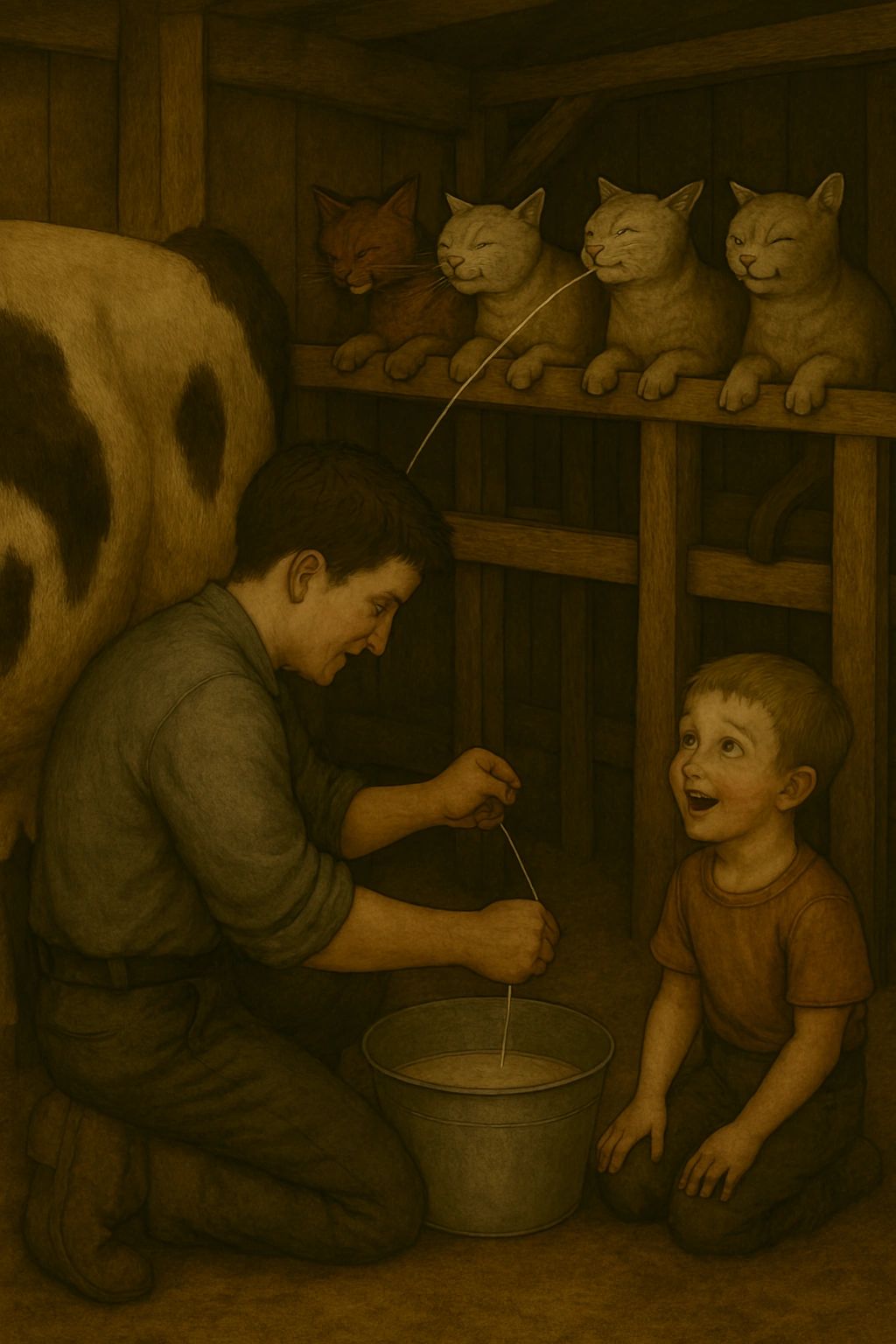
  • Morning Routine in Leesville…

    I was five and it would be the last time during the school year that I would be able to spend a week with my grandparents. My Daddy’s younger brother, Uncle Dale, still lived at home with my grandparents.

    Every morning at my grandparents’ began exactly the same: with the rusty clock alarm in the den shrieking at 5:15, then two snooze buttons later, the long creak of Granddaddy’s knees as he swung his feet over the edge of the bed and called down the hallway, “Dale! Up! Milk’s a-waitin’!” and Uncle Dale—who was seventeen, a high school senior, and owned more traffic tickets than pairs of clean jeans—would groan loud as a dying steer before thumping out his door, backwards ballcap already mashed to his head.

    I’d been there three days and still couldn’t figure out if Dale was sleepwalking for these barn trips or just practicing for a future as a zombie. But every morning, just as the sun shook off the last gray, he’d gesture at me, wordless, and I’d hop off my fold-out cot and into my dirty overalls and run behind him, down the porch steps into the dew, the air cold enough to bite but already smelling faintly of manure and cow breath.

    Outside, the world was so empty it rang. Just fields, the barn, the shade trees that still dripped rain from the night, and the sad, one-eyed barn cat Granddaddy called “Possum,” even though “she” was a “he,” and had maybe never caught a mouse his whole life. Except the second Dale kicked open the barn’s side door, Possum perked up and limped after us, then came a half dozen more feral cats, all mangy and wild-eyed, as if the sound of stanchions clanking was dinner bell and church at once.

    The barn was old, but not in a storybook way—with its tin roof dented inward like a kicked can, and the paint gone so long you could see every plank and nail. Inside, the air was cleaner, warmer, full of dust motes and the living thud of the cows shifting in their stalls. They had names, all of them—Bessie and Boo and Agnes and Gertrude—but Dale called them all “girl” in the same tone he used with his steady, Cheryl, when they argued on the party-line phone.

    He heaved the bucket and stool into the nearest stall, patted the cow’s hip, and when he sat down, his body seemed to melt into a different shape, one that fit the barn and the cow and the coming morning. “You wanna try?” Dale said, jerking his chin.

    I shook my head. The cows were so big up close, and their breath steamed out in long snooty huffs. Instead, I watched as he kneaded the udder and winked at me, “She likes it, see? You gotta be gentle but mean it.” And then the strangest thing in the world: before the first arc of milk splattered into the pail, Dale pinched his fingers, aimed at the nearest cat, and squirted a perfect white stream right over my head.

    Possum leapt up, thin as a rope, paws against the stall board, and lapped the droplets out of the air, then yowled for more. The other cats caught on fast, climbing the rails, mewing, waiting their turn. Uncle Dale kept at it, every so often tilting the udder just so for a direct hit, like he’d spent a whole alternate childhood learning to bullseye cats with cow milk.

    Afterwards, the cats hung around, licking their chops and purring so loud the barn seemed to hum. The cows settled back into a slow rhythm of chewing, and Uncle Dale wiped his hands, chucked a handful of hay at my head, and we trudged back toward the kitchen, Possum and his crew already melting into the weeds.

    Grandmamma would have breakfast waiting on us when we got back. Breakfast was eggs and grits and bacon and biscuits and more eggs, and Granddady’s coffee, black as burnt wood, which I wasn’t allowed to drink but Uncle Dale poured into his cup and had with his grits anyway, as if the whole bucket of milk had been a warm-up act for coffee and grits.

    “You catch them cats eating from the spout again?” Granddaddy asked, half turning from the stove.

    Uncle Dale shrugged, smiled at me, and said, “Can’t stop ‘em. Little jerks are all over the place.”

    Granddaddy shook his head like he’d heard this story every morning since time began. “Supposed to keep cats outside.”

    “They ain’t hurting nothin’,” Uncle Dale said, pouring a third helping and sliding it my way.

    For three more mornings, the whole thing repeated: up before the sun, milk the cows, feed the cats, watch the world light up slow and gold, all of us standing inside the barn like weird saints with buckets and brooms. The last day, Uncle Dale let me shoot the milk for Possum. It took three messy tries, but the fourth time, the stream arced high and Possum nailed it, smacking his jaws together like he’d eaten a ghost. My hands shook from the squeeze, but Uncle Dale just laughed and said, “Good aim for a Yankees fan.”

    At the end of the week, I stood on the porch with my bag, listening to the barn cats fighting in the grass and the cows lowing for breakfast, and I tried to imagine what Monday would feel like without the part where you woke up in a house that smelled like hay, and went to sleep every night with the sound of fields brushing each other silent and slow. Next school year I would be too big for any of this and it sorta made me excited and sad all at the same time, as if an important part of my life would be over and would never come back.

    After my ride with my parents pulled away, I looked back once and thought I saw Possum watching from the barn roof, tail flicking, as if he was waiting for someone to bring him a little more milk.


  • Mastering the Art of Storytelling: A Comprehensive Guide

    Unleashing the Power of Storytelling

    Storytelling is more than just a creative outlet—it’s a pivotal skill that transforms literature, drives business innovation, and enriches personal expression. In today’s competitive landscape, mastering the art of narrative can help bridge cultural divides, inspire action, and foster an authentic connection with audiences. Whether you’re crafting a novel, developing a brand narrative, or simply seeking to express your personal journey, an effective story captivates and resonates.

    This section will guide you through the core elements of storytelling, highlighting its importance across various sectors and practical applications. Here’s what you will learn:

    • The role of narrative techniques in developing compelling content
    • How to use storytelling to enhance customer engagement
    • Practical tips for integrating local cultural and industry-specific elements into your stories

    As you delve into this guide, you’ll discover that stories are not only a cornerstone of literature but also a strategic tool for business success, particularly in regions like Newnan, GA. The following insights will equip you with actionable steps to harness storytelling as a means of connecting with diverse audiences and solving industry challenges. Enjoy your journey into crafting memorable narratives!

    Unveiling the Cornerstones of Engaging Narratives

    Delve into the essential elements that transform a simple tale into an unforgettable experience. At the heart of every compelling story lies well-developed characters whose journeys resonate deeply with readers. Effective character development means crafting protagonists with clear motivations, internal conflicts, and relatable traits that drive the narrative forward.

    Equally important is a meticulously structured plot that maintains a balance between rising tension and satisfying resolution. A dynamic plot structure engages audiences by gradually revealing conflicts and surprises, ensuring the narrative remains both unpredictable and gratifying. Whether set in bustling urban centers or quieter locales like Newnan, the principles of a robust narrative remain timeless.

    • Emotional resonance* is the magic that connects the audience to the storyline. Emotions evoke empathy, allowing readers to see reflections of their own lives within the tale. To enhance your storytelling:
    • Develop multidimensional characters with clear arcs.
    • Organize events logically while embedding unexpected twists.
    • Prioritize emotional beats that create lasting impact.

    Integrate these critical components to build stories that not only entertain but also inspire and connect with readers on a profound level.

    Begin Your Story Journey: A Step-by-Step Guide

    Start by clearing your mind and gathering ideas. Dedicate a moment to brainstorm and jot down every concept that comes to you. Recognize patterns or themes that resonate with your experiences and local surroundings.

    1. Brainstorming: Use mind maps or free-writing exercises to generate creative ideas. Write without judgment and let your thoughts flow.
    2. Outlining: Organize your ideas into a logical structure. Consider an introduction, rising action, climax, and resolution. Clearly define your characters and setting.
    3. Drafting: Begin your first draft by focusing on getting your narrative down. Don’t worry about perfection—focus on the creative process.
    4. Revising: Review the flow of your story. Rearrange segments to enhance the narrative structure and ensure each part logically progresses.
    5. Editing: Fine-tune your language, checking for grammar, tone, and clarity. Read aloud if necessary to catch awkward phrasing.
    6. Refining: Polish the final draft, making adjustments for a compelling and clear story.

    Each step builds on the previous insight, empowering you to transform raw ideas into an engaging, well-structured narrative.

    Conquering Creative Roadblocks: Strategies to Keep Your Narrative Flowing

    Writers often encounter hurdles like writer’s block and character inconsistencies that can hinder the creative process. Tackling these challenges begins with understanding the root causes and taking proactive steps to sustain momentum. When facing writer’s block, consider setting daily word count goals or creating a relaxed environment that encourages uninterrupted thoughts. Sometimes, stepping away for a short break or engaging in a brief exercise can reawaken your creative spark.

    Addressing character inconsistencies is just as critical. Develop detailed profiles for each character, including backstories and unique traits, to ensure they remain authentic throughout your narrative. In addition, consider the following tips:

    • Create a timeline to track character development.
    • Outline key plot points and transformational moments.
    • Regularly review and revise your work to maintain consistency.

    These techniques not only foster a structured writing routine but also support SEO and local search optimizations for regions like Newnan and beyond. Implementing these strategies can transform common obstacles into opportunities for growth in your storytelling journey.

    Frequently Asked Questions on Storytelling Techniques

    Q1: What are the essential elements of compelling storytelling?
    A successful narrative weaves together dynamic characters, a well-structured plot, authentic conflict, and a satisfying resolution. Emphasizing relatable themes and emotional depth is key to capturing the audience’s attention.

    Q2: How can storytelling techniques benefit my communication efforts?
    Incorporating storytelling into business communications can enhance clarity and resonance. It simplifies complex ideas and builds stronger connections with audiences, making it easier to engage local communities and optimize content for search engines.

    Q3: What processes should I follow to develop an engaging story?
    Begin with brainstorming ideas, create a detailed outline, draft your narrative, and then refine through careful editing. Each step helps ensure the story remains clear and impactful for your target audience.

    Q4: Which tools assist in crafting and refining narratives?
    Consider using digital writing apps, mind-mapping software, and editing programs. These tools aid in organizing thoughts, verifying style consistency, and ensuring narratives meet both creative and SEO standards.

    Q5: How can I incorporate local context into my storytelling?
    Highlighting local landmarks, regional culture, or community events adds authenticity and boosts local search relevance, making your content more relatable and engaging.

    Wrapping Up: Embrace Your Storytelling Journey

    Storytelling is more than just the art of conveying events—it’s a powerful tool for connecting ideas, driving empathy, and sparking creativity. As you wrap up this guide, take a moment to reflect on how structural techniques like narrative arcs, character development, and vivid imagery can breathe life into your stories. This approach can transform a simple tale into an engaging experience that resonates with your audience, whether you’re writing in a cozy studio in Newnan, GA, or anywhere else.

    Here are a few actionable steps to get started:

    • Review Key Elements: Revisit your narrative structure, ensuring your characters and plot have depth.
    • Practice Regularly: Dedicate time each day to write even short anecdotes.
    • Seek Feedback: Share your drafts with friends or fellow writers to refine your style.
    • Experiment Boldly: Don’t be afraid to mix genres or details that are uniquely local or personal.

    Remember, every line you write contributes to a larger narrative. Embrace the journey of experimenting with different techniques, transform challenges into creativity, and let your passion for storytelling shine through every word. Start today—your story is waiting to be told.