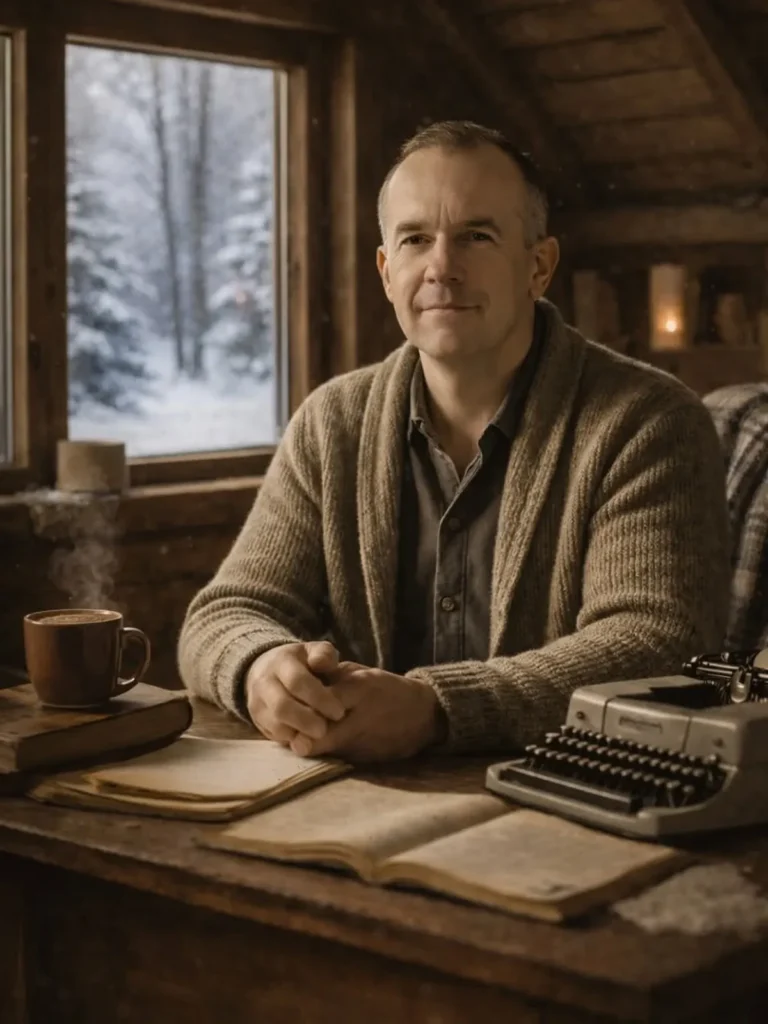
When the Words Won’t Come
Every writer faces it sooner or later: the blank page, the stalled chapter, the sentence that refuses to land. Writer’s block can feel frustrating, personal, and even permanent in the moment. But more often than not, it’s a signal—not a verdict. It may be telling you that you’re tired, overthinking, afraid of getting it wrong, or simply in need of a new approach.
The good news is that writer’s block does not mean you’ve lost your voice. It usually means you need to change the way you’re trying to reach it.
Start Small
One of the best ways to move through writer’s block is to lower the pressure. Instead of trying to write the perfect chapter, write one honest paragraph. Instead of outlining an entire book, jot down a single scene, a line of dialogue, or even a question about your character. Small steps create momentum, and momentum often breaks the silence.
- Write for ten minutes without editing
- Describe a scene using only sensory details
- Let a character speak freely on the page
- Rewrite the last sentence you liked and continue from there
Get Out of Your Head
Sometimes writer’s block grows when we judge every word too quickly. Drafting and editing are different skills, and trying to do both at once can stop a story before it starts. Give yourself permission to write badly for a while. A rough page can be revised. An empty page cannot.
You do not have to write brilliantly to begin. You only have to begin.
Change the Rhythm
If your usual routine isn’t working, change it. Take your notebook outside. Switch from typing to handwriting. Write in the morning if you usually write at night. Read a few pages from a favorite author to remind yourself why stories matter to you. A small shift in rhythm can open a door that force never will.
Trust the Return
Writer’s block can feel like a wall, but often it’s just a pause. Stories have a way of returning when we stay open, curious, and willing to keep showing up. Be patient with yourself. Keep listening. Keep gathering details. Keep writing what you can, even if it’s only a few lines today.
The words will come back. And when they do, they may carry you somewhere deeper and truer than before.